Ten people linked to Kenya’s first-ever Ebola case quarantined as screening concerns grow
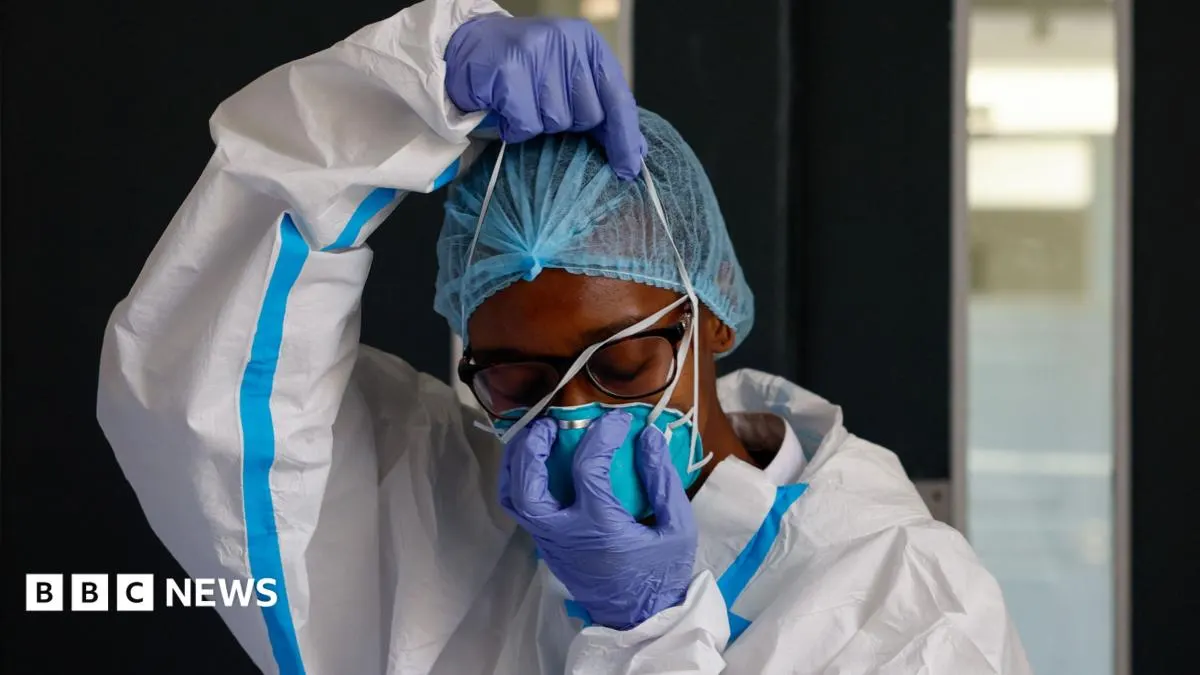
Kenya has confirmed its first-ever Ebola case after a man died in Nairobi hospital on Monday. He had travelled from the Democratic Republic of Congo through multiple cities over a month-long journey, passing through DR Congo, Uganda and eventually flying to Kenya without his illness being detected. Ten people who had direct contact with him have been quarantined at an isolation facility, whilst authorities are tracing 57 other contacts. This case has raised significant concerns about Kenya's screening measures at borders and airports, particularly given that the patient displayed symptoms throughout his travels but evaded detection.
The patient had travelled from Buta in northern DR Congo to Kisangani, then flew to Beni, drove to Uganda and finally flew to Nairobi. The Africa Centre for Disease Control chief Jean Kaseya told the BBC this raises serious questions about why screening procedures failed to detect an obviously ill patient. The current Ebola outbreak in DR Congo, which began in May, involves the Bundibugyo species—a relatively rare strain with no approved vaccine or treatment, though trials are underway. Kenya's health officials have intensified surveillance at airports and border crossings, with over 650,000 travellers already screened and 267 samples tested since the DR Congo outbreak began.
- Kenya's first Ebola case: a man who died Monday after travelling undetected from DR Congo.
- Ten people quarantined, 57 contacts traced; screening procedures questioned.
- DR Congo outbreak has killed 4,000+ people since May.
New here? Start with this
Kenya has reported its first-ever case of Ebola after a man died in a Nairobi hospital on Monday. The patient had travelled from the Democratic Republic of Congo through Uganda before flying to Kenya, with his symptoms going undetected at all border and airport screening points.
Ten people who had direct contact with the deceased have been quarantined, whilst authorities are tracing 57 other potential contacts. The case has prompted scrutiny of Kenya's screening procedures at airports and borders, as the patient travelled across multiple countries during his illness without being detected.
The current Ebola outbreak in the DR Congo, which started in May, involves the Bundibugyo strain—a relatively uncommon form of the disease for which there is no approved vaccine or treatment. Kenya's health authorities have intensified screening measures, having already screened over 650,000 travellers and tested 267 samples as part of their response.
Both sides, in good faith
The strongest fair case each way — we don't pick a winner.
The case for
Kenya's screening system has demonstrably failed—a visibly ill patient travelled through multiple countries without detection, reaching Nairobi only to die of Ebola. This represents a critical gap in public health protection, particularly given the deadly nature of the Bundibugyo strain and the lack of an approved vaccine or treatment. Kenya must urgently overhaul its border and airport screening procedures to prevent similar breaches from causing a catastrophic outbreak.
The case against
Detecting infectious diseases among hundreds of thousands of travellers presents an extraordinarily complex challenge. Kenya has already screened over 650,000 people and tested 267 samples since the DRC outbreak began, with intensified surveillance efforts underway. Rather than focusing on blame, the priority should be supporting Kenya's continued health system strengthening through international cooperation and resources, recognising that perfect detection is unrealistic but improvement is achievable.