BBC staff challenge Brittin over junior job losses in 2,000-role cuts
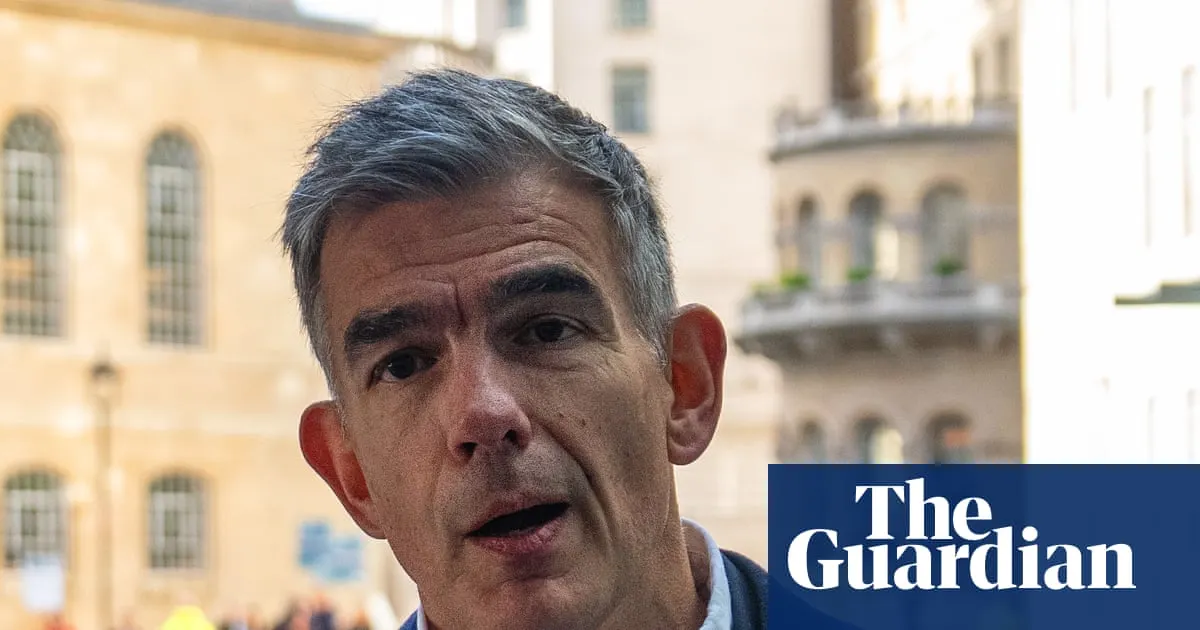
Matt Brittin, the BBC's director general, faced sustained staff criticism during an all-staff call about redundancy plans affecting up to 2,000 jobs. Employees alleged that junior and frontline staff were bearing the brunt of cuts whilst senior executives remained largely insulated, with one questioner describing the BBC as "incredibly top-heavy" where "all the doers are getting cut". The complaints were so prevalent that Radio 4 Today presenter Anna Foster, hosting the call, explicitly asked Brittin to address the perception that cuts were landing disproportionately on junior staff at the expense of managerial roles.
Brittin acknowledged the BBC would become "smaller" but maintained it could still have greater impact, whilst emphasising the importance of action over lengthy discussion. Deputy director general Rhodri Talfan Davies disputed the claim that senior leaders were exempt from redundancy, asserting that reductions had actually been "steeper" at senior levels, though staff scepticism remained evident. The restructuring includes the closure of linear television channels BBC Three and BBC Scotland, alongside a proposed overhaul of the iPlayer streaming platform featuring AI-assisted content recommendations. The government and BBC are reportedly exploring proposals that would require anyone using any streaming service to pay the television licence fee.
- Staff criticise BBC for cutting junior roles while sparing executives
- Up to 2,000 job cuts planned; linear channels BBC Three and Scotland closing
- iPlayer overhaul and streaming licence fee proposal under consideration
New here? Start with this
The BBC is restructuring significantly and cutting up to 2,000 jobs as it responds to financial pressures on its operations. The broadcaster provides television and radio services to all UK households through the licence fee system, which generates its funding. This restructuring represents a considerable change to how large the BBC will be and what services it provides.
The restructuring includes closing channels such as BBC Three and BBC Scotland, and introducing changes to the iPlayer streaming platform. Within the organisation, staff have different views about how these job cuts are being distributed, with some questioning whether junior and frontline roles are being reduced more than senior positions. The fairness of how restructuring affects different grades of staff is a concern that arises in many large organisations facing cuts.
These changes matter because they affect both the services available to the public and the employment prospects of BBC workers. The licence fee system means that all British households potentially have an interest in how the BBC spends its funding. How the broadcaster restructures shapes what news, entertainment and educational content is available to viewers and listeners.
Both sides, in good faith
The strongest fair case each way — we don't pick a winner.
The case for
Staff have legitimate grounds for concern when junior and frontline roles bear the brunt of cuts whilst senior positions remain largely insulated. The perception that the BBC is "top-heavy" and that "doers" are being cut reflects genuine worries about whether the organisation can maintain service quality and editorial excellence when its production workforce is decimated. This criticism isn't mere cynicism; it highlights a real tension between cost-cutting and preserving the creative capability that fundamentally defines the BBC's mission and public value.
The case against
Management's contention that senior redundancies have been steeper warrants credence, as leadership possesses comprehensive data about restructuring's full scope that frontline staff may not fully see. There is a defensible case that a smaller, more focused BBC can deliver greater impact through strategic efficiency, and that tight budget constraints require difficult choices across all levels. Even in a leaner organisation, maintaining appropriate management is necessary; the perception that leadership is protecting itself may overlook the genuine complexity of restructuring an enormous institution whilst preserving its core capability.
Read the full article at the source →
Originally published by The Guardian as “BBC boss faces barrage of staff criticism over job cuts in junior ranks”.