Angry residents of once-peaceful Minneapolis suburb blast leaders for failing to tackle Somali gang chaos… after they proposed soccer program to solve the crisis
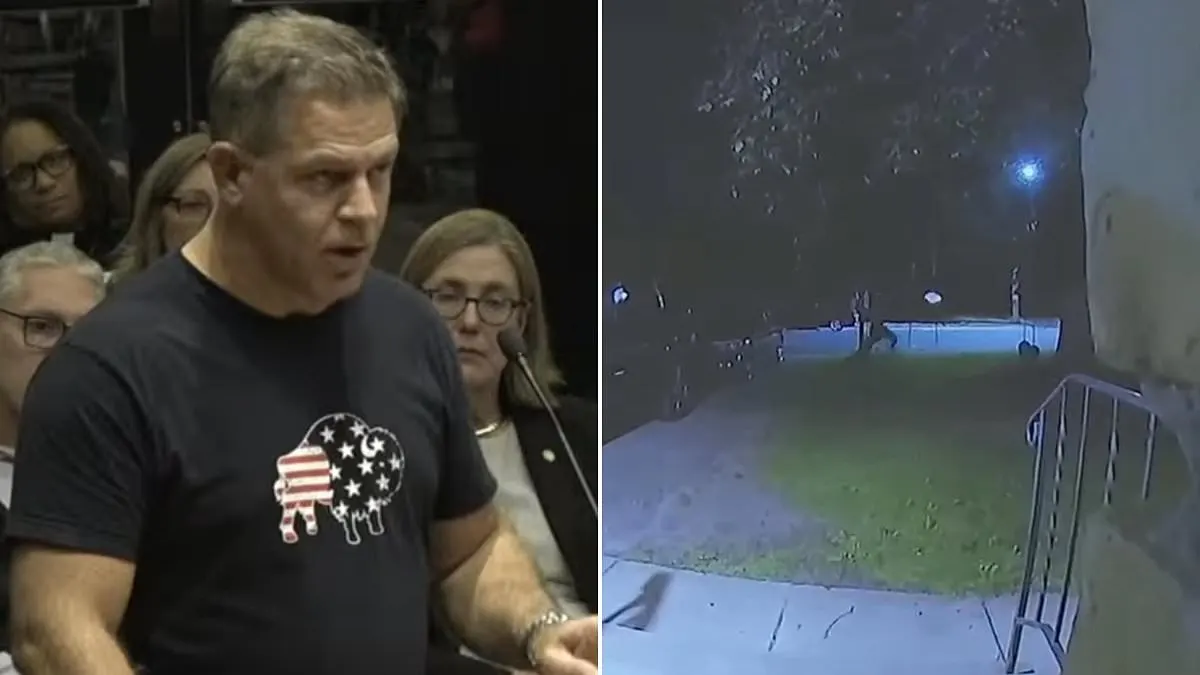
Residents of Edina, a Minneapolis suburb, confronted city leaders over two unsolved shootings and fears about gang-related violence. The incidents have unsettled the community, while residents disagreed over how to describe the problem and how to respond.
Police said Somali teenagers and young adults had been targets of, or had some responsibility for, the shootings; other speakers cautioned against framing them as a Somali problem. The July gunfire at Yancey Park struck a nearby home, while the September shooting outside Our Lady of Grace Church targeted young people playing basketball; police found 55 cartridge casings.
- Edina residents demanded action after two unsolved shootings.
- Police found 55 cartridge casings after the September incident.
- Speakers differed over how to discuss youths’ involvement.
New here? Start with this
Edina is a suburb of Minneapolis that residents have long regarded as peaceful and safe, but the area has recently experienced two shootings that have deeply unsettled the community. In July, gunfire at Yancey Park struck a nearby home, and in September, a shooting outside Our Lady of Grace Church where young people were playing basketball left 55 cartridge casings at the scene. No one has yet been charged in connection with either incident.
Police have indicated that Somali teenagers and young adults were either targets of or had responsibility for the shootings. This has created disagreement within the community about how to characterise and respond to the problem. Whilst some residents view it as gang violence involving Somali youth, others have cautioned against framing it in ethnic terms, fearing such language could reinforce stereotypes.
The shootings have prompted urgent community meetings where residents have expressed frustration with local leaders over the violence and safety concerns. The incidents have highlighted broader questions about how the city should tackle the underlying problems that may have contributed to the violence.
Both sides, in good faith
The strongest fair case each way — we don't pick a winner.
The case for
Residents facing two serious, unsolved shootings—including one that fired 55 cartridges at a public gathering—have legitimate concerns that warrant serious law enforcement action and visible progress. When leaders respond primarily with recreational programmes, residents reasonably question whether their immediate safety is being prioritised and whether the severity of criminal threats is being adequately acknowledged through meaningful investigation and prevention.
The case against
Characterising this as a "Somali problem" risks unfairly stigmatising an entire community, including young people who are themselves victims of violence. Addressing gang violence requires understanding root causes—economic opportunity, social integration, community trust—which recreational programmes and mentorship meaningfully support. A balanced approach acknowledges the seriousness of crime whilst recognising that young Somali residents deserve protection and investment, not isolation or blame.