Sadiq Khan condemns ‘reprehensible’ actions of Israel in statement on third anniversary of October 7 attacks
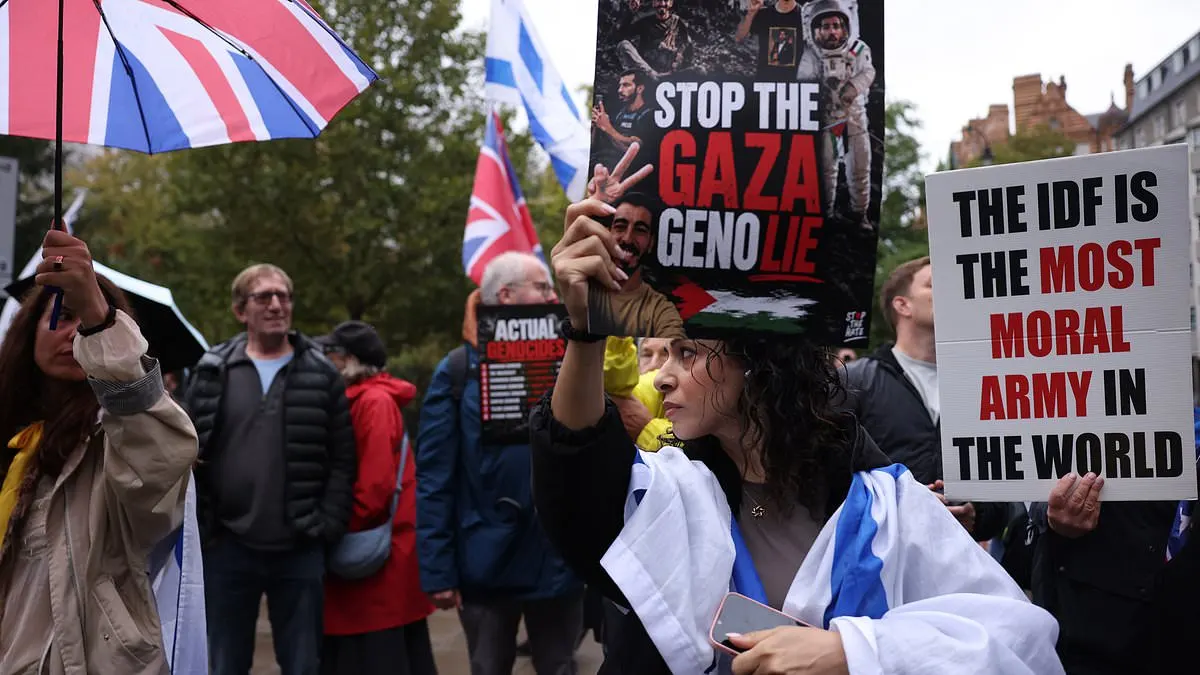
Sadiq Khan, Mayor of London, sparked controversy by using his statement marking the third anniversary of the October 7, 2023 Hamas attacks to criticise the Israeli government's "reprehensible actions". His intervention drew sharp rebuke from the Israeli embassy, which accused him of using a day of mourning and remembrance for political positioning, given that the attacks killed around 1,200 people.
Khan began his remarks by condemning antisemitism and remembering the victims of the Hamas attack, pledging commitment to protecting London's Jewish community from abuse. However, he then shifted focus to Palestinian suffering in Gaza and the West Bank. The Israeli embassy accused him of "tainting" the commemoration and called his timing "callous", saying the day should be devoted to mourning.
- Khan criticised Israel on October 7 anniversary, sparking Israeli embassy complaint
- Mayor began by honouring victims and condemning antisemitism before addressing Gaza
- Embassy called timing "callous" and accused him of political positioning
New here? Start with this
On 7 October 2023, Hamas launched a major attack on Israel that killed around 1,200 people and sparked a significant conflict. The anniversary is commemorated annually by world leaders, politicians and communities. For many, these commemorations are important occasions to remember victims and reflect on the conflict's impact.
Sadiq Khan is the Mayor of London and one of the UK's most prominent elected officials. Statements by figures in his position on conflicts like the Israeli-Palestinian dispute can be closely watched by different communities and often attract political controversy, given the strong feelings many people hold on both sides.
When public figures mark anniversaries of major attacks, there is often debate about the appropriate tone and focus. Some believe commemorations should concentrate solely on remembering those who died, whilst others argue that reflecting on the broader consequences and context of a conflict is an inseparable part of meaningful remembrance and solidarity.
Both sides, in good faith
The strongest fair case each way — we don't pick a winner.
The case for
Supporters of Khan's statement argue that moral consistency requires acknowledging suffering on both sides of a conflict and that remembering October 7 victims need not preclude recognition of Palestinian civilian suffering caused by subsequent military operations. They contend that Khan explicitly began by condemning antisemitism and honouring the victims, making his full statement balanced, and that staying silent about Palestinian suffering to preserve a commemorative event would represent selective compassion that compromises moral principle.
The case against
Critics argue that commemorative occasions serve a distinct and important function in honouring victims and allowing space for grief, and that introducing political critiques of one side's actions transforms such occasions into political platforms rather than spaces of remembrance. They contend that whilst the Israeli-Palestinian conflict merits serious political discussion, an October 7 commemoration is not the appropriate venue for such debate, as it risks diminishing the solemnity owed to those remembered and may appear to prioritise criticism over mourning.