Court of Appeal overturns convictions of five former Barclays traders
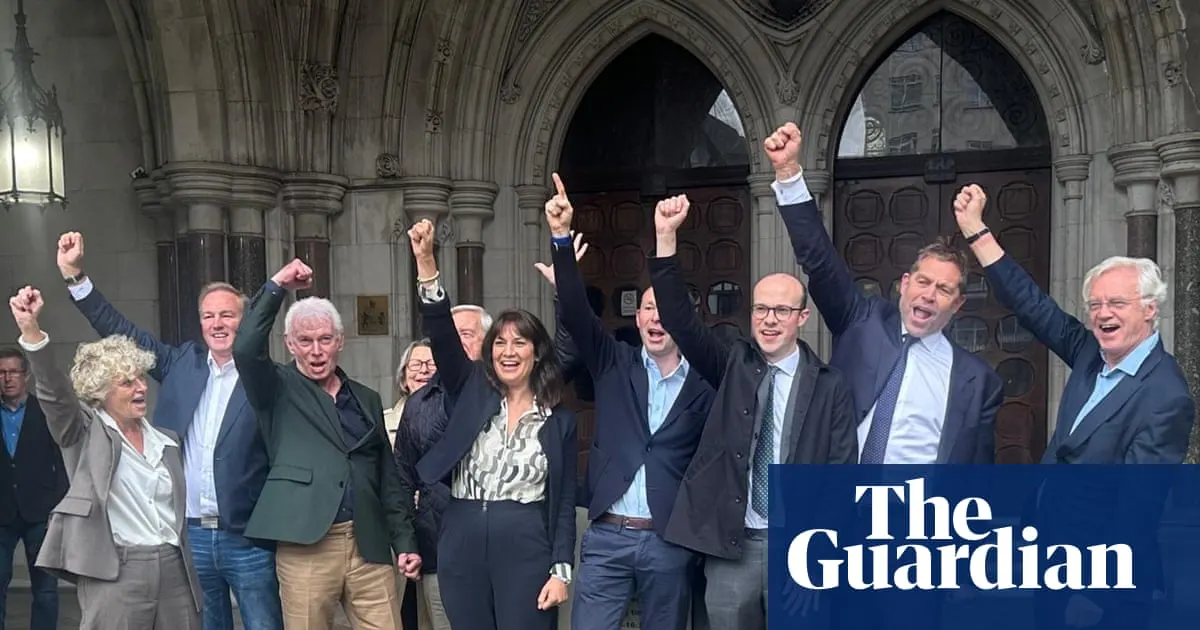
Five former Barclays traders have had their convictions for rigging interest rates quashed by the Court of Appeal, after the Serious Fraud Office declined to contest their appeals. The ruling follows the Supreme Court’s decision to overturn convictions in similar cases, raising fresh questions about the fairness of the original trials.
Jay Vijay Merchant, Jonathan Mathew, Philippe Moryoussef, Alex Pabon and Colin Bermingham were jailed between 2016 and 2019 for manipulating Euribor or Libor, rates that influenced mortgages, pensions, savings and financial products worth vast sums. The Supreme Court found that jury directions in the cases of Tom Hayes and Carlo Palombo had been inaccurate and unfair; both men’s convictions were quashed in 2025. The SFO says a properly directed jury could still have convicted Hayes and Palombo, while a separate appeal by former Deutsche Bank trader Christian Bittar is expected to be heard on Friday.
- Five former Barclays traders have had their convictions quashed.
- The appeals followed Supreme Court rulings in related cases.
- A separate appeal by Christian Bittar is expected on Friday.
New here? Start with this
Interest rates lie at the heart of the financial system, determining what banks charge borrowers for loans and what savers earn on their money. Between 2008 and 2013, traders at Barclays and other banks manipulated two key rates called Libor and Euribor for profit, affecting millions of people with mortgages, pensions and savings accounts. This scandal became public around 2012 and triggered investigations worldwide.
Five former Barclays traders were convicted of rigging these rates and were sent to prison between 2016 and 2019. They faced lengthy sentences because the rates they manipulated had such wide-reaching effects on financial products worth enormous sums of money. The Serious Fraud Office led the prosecutions, which were viewed as a significant response to the scandal.
In 2025, the Supreme Court found that juries in similar cases had been given inaccurate legal instructions, making those trials unfair. This discovery meant the five Barclays traders' convictions could also be challenged on the same grounds. Their appeals have now succeeded because the same legal problem was present in their original trials.
Both sides, in good faith
The strongest fair case each way — we don't pick a winner.
The case for
These convictions should be quashed because the Supreme Court has established that jury directions were inaccurate and unfair, a finding the SFO now accepts. Procedural fairness is the cornerstone of legitimate justice; convictions obtained through flawed legal process undermine the integrity of the courts, even when underlying guilt appears evident. If the SFO believes in the strength of its evidence, proper jury directions in re-trial will allow for just accountability.
The case against
Overturning convictions on procedural grounds undermines accountability when these traders caused demonstrable, widespread harm to millions of ordinary people through serious financial manipulation of rates affecting mortgages, pensions and savings. The SFO's position that correct jury instructions might still produce conviction suggests the underlying evidence of guilt is robust. Allowing procedural issues to nullify convictions for grave financial crimes with real harm to the public sets a troubling precedent.
Read the full article at the source →
Originally published by The Guardian as “Ex-Barclays traders jailed for rigging interest rates have convictions quashed”.