New documentary will present Diana’s perspective through five hours of recordings
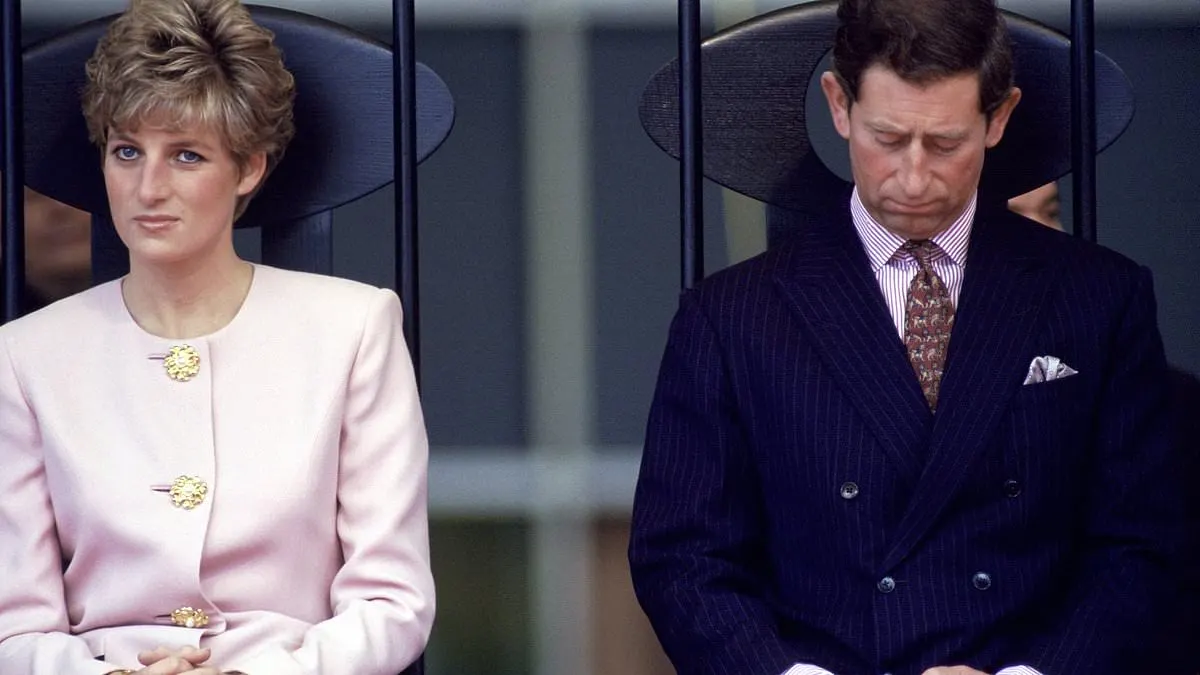
A three-part documentary will use five hours of Princess Diana’s recordings, which she made before her death and secretly shared with author Andrew Morton. Its producers say the tapes offer Diana’s own perspective on subjects also raised in recent claims by her brother, Earl Spencer, and aim to show her as a woman who acted with purpose.
The recordings helped inform Morton’s 1992 book, Diana: Her True Story, but Diana’s role was not made public until after her death in 1997. The documentary is due next year, near the 30th anniversary of her death, and will include interviews with Morton, Spencer’s publisher Michael O’Mara, Dr James Colthurst and Diana’s former lover James Hewitt. Its three episodes will cover her marriage, children, childhood and relationships, including with Camilla.
- Five hours of Diana recordings will feature in a new documentary.
- Producers say the tapes show her perspective and agency.
- The three-part series is due next year.
New here? Start with this
Princess Diana, Princess of Wales, was married to Prince Charles (now King Charles III) and died in a car crash in Paris in 1997. She was known worldwide for her charity work and remained a figure of intense public interest throughout her life.
Before her death, Diana made tape recordings that she secretly shared with biographer Andrew Morton, who used them for his 1992 book Diana: Her True Story. The public did not know Diana herself had created these tapes—her involvement only became known after she died.
The recordings capture Diana's account of her life and relationships, in her own voice. After her death, different people close to Diana have shared their own accounts of events in her life, so these direct recordings from Diana offer her own perspective on these same subjects.
Both sides, in good faith
The strongest fair case each way — we don't pick a winner.
The case for
The documentary honours Diana's own agency and recorded wishes by presenting her perspective directly. She deliberately made these recordings and voluntarily shared them with Andrew Morton, demonstrating her intention for them to be documented; the resulting manuscript was published in 1992. Allowing the public to hear Diana in her own voice, nearly three decades after her death, represents an authentic historical record that respects her as a thoughtful, purposeful person deserving representation without editorial intermediaries.
The case against
Whilst Diana authorised sharing recordings with Morton for a specific biographical purpose, there is no evidence she consented to full public broadcast of these intimate recordings to a mass audience. Even with careful editorial framing by producers, posthumous release raises important questions about dignity and the boundaries owed to the deceased; publishing private thoughts recorded for limited circulation risks exploiting her memory in ways she did not explicitly approve. Respect for privacy should extend beyond the grave, particularly regarding deeply personal confidences shared in confidence.
Read the full article at the source →
Originally published by Daily Mail as “Unheard Princess Diana tapes may give her view on Earl Spencer’s explosive claims about King Charles in new documentary”.