Is Dexter the most dangerous crime drama on TV? At least SEVEN murders linked to hit show as criminologist warns it provides a ‘how-to script’ for killers and offers them justification for gruesome slayings
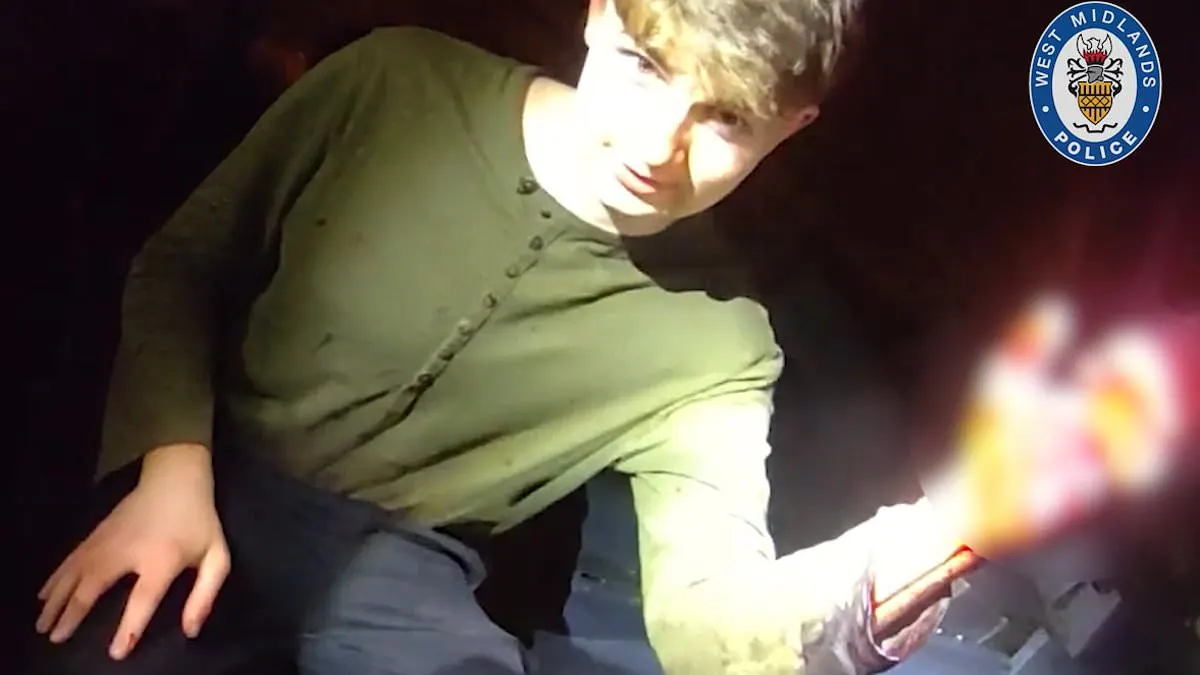
Two British killers inspired by the TV drama Dexter have been convicted of brutal murders within just 70 days, bringing the total number of real-world killings linked to the fictional show to at least seven since 2009. Forensics student Benjamin Day murdered Maria Saceanu after luring her to a plastic-lined "kill room" at an Airbnb, whilst weeks earlier James Desborough was convicted of murdering and dismembering two men in a remote woodland cabin. The cases have prompted criminologists to warn that the show's detailed depiction of murder methods and psychological justification for killing could be providing a dangerous blueprint for violent individuals.
The drama, which first aired nearly 20 years ago, follows Dexter Morgan—a police blood-splatter analyst who secretly operates as a meticulous serial killer governed by his personal ethical code. Behavioural criminologist Alex Iszatt warned that the show provides what she calls a "usable identity" for violent individuals, offering both detailed methods and a compelling moral justification that reframes serial killing as vigilante justice rather than uncontrollable evil. Other killers linked to Dexter since 2009 include Canadian filmmaker Mark Twitchell, British teenager Steven Miles, American teenager Andrew Conley, and Norwegian Havard Nyflot, demonstrating a troubling pattern of real-world violence allegedly inspired by fictional entertainment.
- Two Dexter-inspired killers convicted within 70 days, seven total murders linked to show since 2009
- Criminologists warn the drama provides copycat killers detailed methods and moral justification
- The show's appeal lies in offering a "usable identity" that reframes killing as vigilante justice
New here? Start with this
Dexter is an American television drama that first aired nearly two decades ago and follows Dexter Morgan, a police blood-splatter analyst by day who secretly operates as a serial killer by night. The show has been enormously popular, but is now at the centre of a controversy after at least seven real-world murders since 2009 have been linked to the fictional programme, with two British cases emerging within the past 70 days.
The concern among criminologists is that the show does not simply depict violence, but provides detailed methods for committing murder and offers a moral framework that makes killing seem justified. Rather than portraying serial killers as deranged or evil, Dexter presents his character as following a personal ethical code—killing only those who "deserve" it—which experts warn can appeal to violent individuals by giving their impulses a sense of purpose and legitimacy.
The real-world killings linked to the show span multiple countries and include both adults and teenagers, raising questions about the responsibility of television producers when creating content that contains detailed depictions of violence. Some experts have warned that programmes like this could be misinterpreted as instructional material for serious crime.
Both sides, in good faith
The strongest fair case each way — we don't pick a winner.
The case for
The show combines three particularly potent elements: detailed depictions of murder methods, psychological justification that reframes serial killing as morally understandable vigilantism, and a sympathetic protagonist who models this lifestyle. When multiple convicted killers have explicitly cited Dexter as inspiration, with forensic details matching the show's depictions, the risk becomes concrete rather than theoretical. Criminologists warn that such media provides vulnerable individuals with both operational knowledge and moral permission, creating what researchers call a 'usable identity' that dangerous people can adopt.
The case against
Millions of viewers watch Dexter without becoming murderers, making any causal link between the show and violence impossible to establish with certainty. Media consumption cannot be separated from the individual psychology, circumstances, and choices of the person consuming it—responsibility lies fundamentally with people, not creators. Crime dramas have existed for decades without proving to cause violence; restricting artistic expression based on claims by criminals (who may opportunistically cite media for notoriety) sets a troubling precedent that assumes passive audiences vulnerable to manipulation rather than agents capable of moral judgment.