Microsoft event debuts new AI-friendly hardware and Windows changes
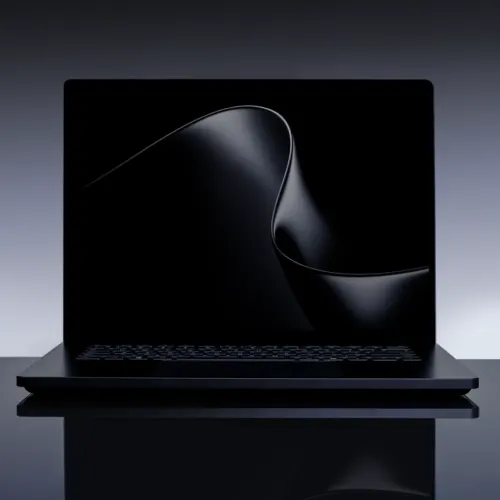
Microsoft used its first live event in two years to unveil new hardware built for local AI and development, alongside Windows 11 changes that let users run tasks through AI. The announcements show the company’s push to make AI a more central part of personal computing, while offering tools to keep automated agents under tighter control.
The Surface Laptop Ultra starts at $2,599, has up to 128GB of unified memory and begins shipping on 16 October. Microsoft also introduced the $5,999 Surface RTX Spark Dev Box, which has 128GB of memory and claims one petaflop of AI performance. Windows updates due this autumn will add AI-driven system controls through search, while Microsoft Execution Containers give developers and organisations ways to sandbox and monitor agents.
- Microsoft unveiled two devices aimed at local AI development.
- The Surface Laptop Ultra starts at $2,599 and ships from 16 October.
- Windows is adding AI controls and tools to sandbox agents.
New here? Start with this
Artificial intelligence is increasingly being integrated into everyday computing, allowing software to perform tasks and make decisions with less human instruction. Microsoft is focusing on making these AI capabilities work directly on personal computers rather than relying solely on cloud servers, which can be faster and keeps data more private.
The company unveiled new computers designed specifically for running powerful AI locally. The Surface Laptop Ultra is a high-end portable computer starting at $2,599, whilst the Surface RTX Spark Dev Box is a more specialised machine for developers priced at $5,999. Microsoft is also updating its Windows operating system to include more AI features built into everyday tools like search.
As AI becomes more capable, the ability to control and monitor these automated systems is increasingly important. Microsoft's new software tools, called Execution Containers, are designed to give organisations and developers ways to oversee and limit what AI agents can do, addressing concerns about giving automated systems too much autonomy.
Both sides, in good faith
The strongest fair case each way — we don't pick a winner.
The case for
Microsoft's announcement represents thoughtful technological progress, with hardware specifically designed for local AI processing and Windows updates including sandboxing and monitoring tools that address privacy concerns. Users and developers can adopt these features optionally, allowing those who benefit from enhanced AI-driven productivity to access them without mandatory adoption. The unified memory architecture and dedicated AI hardware address genuine computational needs, particularly for professional applications. This represents natural evolution in personal computing, with safety mechanisms incorporated from the outset.
The case against
The aggressive push to centralise AI in personal computing, whilst priced at $2,599 to $5,999, suggests this innovation is driven by corporate strategy and shareholder expectations rather than demonstrated consumer demand. There are legitimate concerns about unnecessary system complexity, potential privacy risks, and creating dependency on automated agents most users have not explicitly requested. Although sandboxing tools are positive, they may provide false reassurance about fundamentally opaque systems and normalise constant AI agency. Whether these capabilities represent genuine progress or unwanted bloat ultimately depends on whether users themselves decide such features genuinely improve their computing experience.