US and Lebanon shelter former Syrian general wanted for crimes against humanity
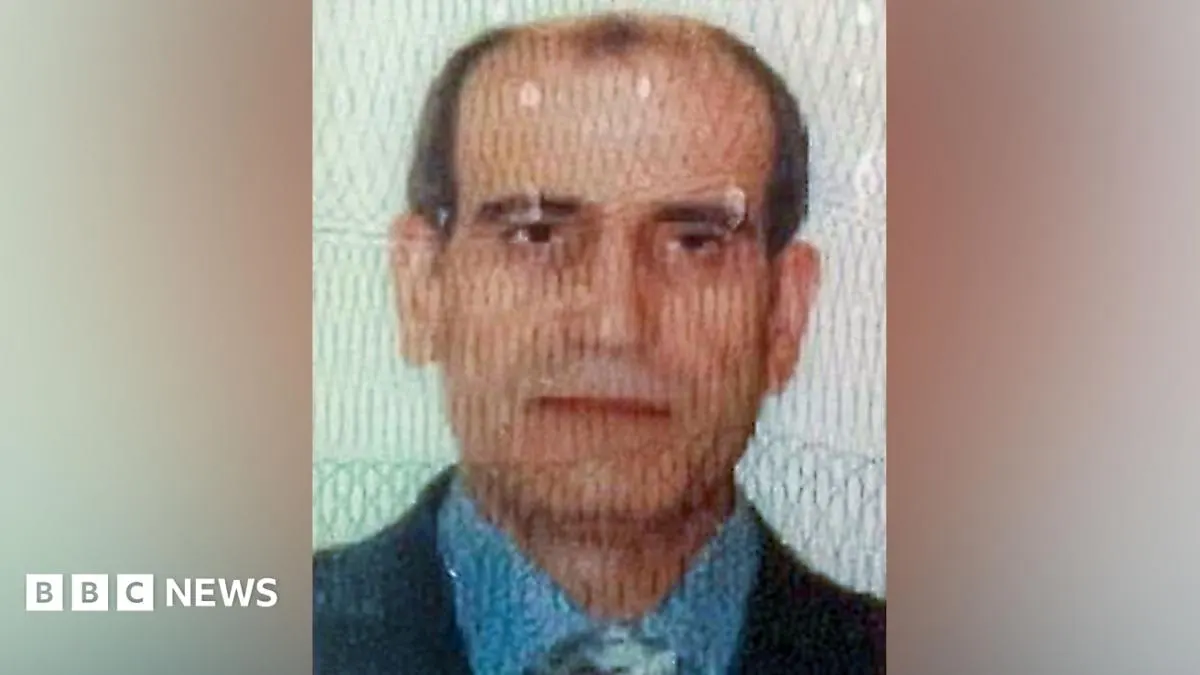
The BBC and NPR have uncovered that the US and Lebanese authorities are protecting and funding Bassam al-Hassan, a former Syrian general wanted for crimes against humanity who oversaw Syria's chemical weapons programme and advised Bashar al-Assad. This arrangement exists because Hassan possesses information about the 2012 abduction of American journalist Austin Tice, which the BBC recently revealed was a planned operation where Hassan was in the chain of command. Syrian officials want Hassan returned to face trial, but the US insists he remain in Lebanon, raising serious questions about accountability and justice.
According to the investigation, Hassan has been offered "residency", "protection" and help with "living needs" in exchange for intelligence, with money provided through intermediaries to obscure the trail. The deal is believed to have been struck in spring 2025, and despite significant expense and years of investigation, sources say little progress has been made on the Tice case. Though Hassan is sanctioned by the US government, the arrangement raises concerns about whether it incentivises the slow release of information, while other Syrian regime officials have similarly received payments from US authorities in connection with the Tice investigation.
- US and Lebanon funding Syrian general wanted for crimes against humanity over journalist case
- Bassam al-Hassan oversaw chemical weapons and receives covert payments through intermediaries
- Minimal progress on missing journalist Austin Tice despite years and significant expense
New here? Start with this
Bassam al-Hassan is a retired Syrian general who oversaw Syria's chemical weapons programme during the country's civil war and served as an adviser to regime leader Bashar al-Assad. He is wanted for crimes against humanity. Syrian officials have sought his return for trial, but he currently remains in Lebanon under US and Lebanese protection.
The US and Lebanese authorities are currently providing al-Hassan with residency, protection and financial support. The stated reason is that he possesses information about American journalist Austin Tice, who was abducted in Syria in 2012 in circumstances that remain unclear.
The arrangement reflects a tension in international affairs. The US prioritises gathering information about Tice's disappearance, whilst al-Hassan remains wanted for crimes against humanity without having faced trial.
Both sides, in good faith
The strongest fair case each way — we don't pick a winner.
The case for
The protection arrangement prioritises a compelling humanitarian imperative—a missing American citizen whose fate remains unknown after years of uncertainty. Hassan's direct involvement in the Tice case gives him exceptional intelligence value, and aggressive prosecution might foreclose the only realistic path to discovering what happened to Tice or securing his release. Sometimes securing justice for one victim requires difficult interim accommodations with imperfect actors, and the moral weight of a family's suffering and an American's possible captivity justifies pragmatic measures that might otherwise be troubling.
The case against
Shielding Hassan from accountability for documented crimes against humanity—including overseeing chemical weapons use—corrupts international justice and signals to future perpetrators that atrocities become negotiable leverage. The arrangement undermines victims' fundamental rights and the humanitarian norms the US claims to uphold, whilst reportedly yielding minimal progress on the Tice case despite substantial investment and years of effort. Legitimising the protection of regime officials who supervised mass violence sets a precedent that enables future atrocities and creates perverse incentives for fugitive war criminals to withhold information strategically.
Read the full article at the source →
Originally published by BBC World as “US and Lebanon protecting wanted Syrian general, BBC finds”.