TV licence fee is ‘yesterday’s model’, new BBC director general says
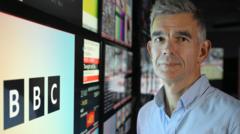
The BBC's new director general, Matt Brittin, has described the traditional TV licence fee as "a busted flush", "yesterday's model" and "no longer fit for purpose". Speaking to MPs in his first major public appearance since taking over from Tim Davie six weeks earlier, the former Google executive argued that the funding system must change and that the corporation needs to "make the case" for reform. His comments matter because the £180-a-year licence fee provides most of the BBC's income, yet the share of households paying has fallen, and the government is reviewing the corporation's future as its royal charter approaches expiry.
Brittin and BBC chair Samir Shah suggested reviving a compulsory household levy — previously ruled out by ministers — potentially collected via utility bills such as broadband, mobile or electricity, which they argued could allow the fee to be reduced if all homes paid. Licence fee payment has dropped to 80% of households, and both men warned that funding the BBC through adverts or subscriptions would force cuts to less commercial services such as Newsround, local news and wide-ranging drama, ending its universal role. The debate comes as the BBC cuts around 2,000 roles to save £500m, with its charter expiring at the end of 2027. In the same session, Shah said disgraced former presenter Huw Edwards "should return" £200,000 in salary, while the BBC also reported its global weekly audience had grown 11% year-on-year to a record 502 million people.