Children keep dying in a country that made huge progress on measles
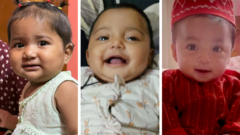
Bangladesh reversed years of measles control progress dramatically after March 2026, with nearly 750 deaths and more than 120,000 suspected and confirmed cases overwhelming hospitals and health facilities. The outbreak emerged despite vaccination rates previously exceeding 90%, leaving medical staff confronting conditions far beyond normal capacity—one ward housed 130 patients across 32 rooms—and families improvising care on hospital floors as the disease spread through the population.
Unicef and current government officials point to vaccine order delays during Bangladesh's interim administration last year as the primary cause, part of a broader institutional disruption involving political instability and procurement restructuring. The interim government under Muhammad Yunus had allegedly postponed vaccine orders whilst exploring new vendors and financial arrangements, though a former health ministry official contests claims of inadequate warning. The succession of leadership changes and administrative interruptions disrupted the logistical systems that had previously sustained the country's measles prevention programme.
- Bangladesh's measles vaccination programme collapsed after March 2026, producing ~750 deaths and 120,000+ cases despite prior success with >90% vaccination coverage
- Officials attribute the outbreak to vaccine procurement delays during government transitions; interim and current administrations dispute responsibility