Science news and discussion on TalkFuse.
Wildlife conservation work to get £1m boost
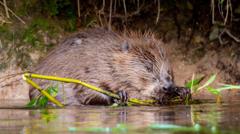
Kent Wildlife Trust has been awarded a £1.28m government grant to support conservation work on the River Stour and the ancient woodland of the Blean, near Canterbury. The money comes through Natural England's Species Recovery Programme, backed by the Department for Environment, Food and Rural Affairs (Defra), and will benefit beavers, endangered butterflies and birds. The Trust said the award underlines Kent's national importance in conserving threatened wildlife.
The funding will strengthen the biodiversity of Kent's beaver population — England's largest — by releasing more animals and working with landowners to restore their habitat. A survey of the Blean will focus on six endangered species found there, including the heath fritillary, one of the UK's rarest butterflies, and the turtle dove. Environment Secretary Emma Reynolds described the scheme as the "largest-ever investment in species recovery", while the Trust's Paul Hadaway said the knowledge gained in Kent would help shape species recovery across England.
In short
- Kent Wildlife Trust wins u00a31.28m government grant for conservation work.
- Funds boost England's largest beaver population and restore habitat.
- Blean survey targets six endangered species, including rare butterflies and birds.
Explained simply
Wildlife conservation focuses on protecting animals and plants that have become scarce. Some species in Kent, like beavers and certain butterflies, have declined significantly and need active help to survive. This funding aims to reverse that decline.
Kent Wildlife Trust has been awarded £1.28m from the government's Species Recovery Programme, backed by the Department for Environment, Food and Rural Affairs. The money will support conservation work on the River Stour and in the ancient Blean woodland near Canterbury.
The funding will help release more beavers into Kent's rivers and restore their habitats, whilst also surveying endangered species including the heath fritillary butterfly and turtle dove. The knowledge gained from these projects is expected to inform conservation efforts across England.