What is Eclipsa Video, and how does it compare to Dolby Vision and HDR10?
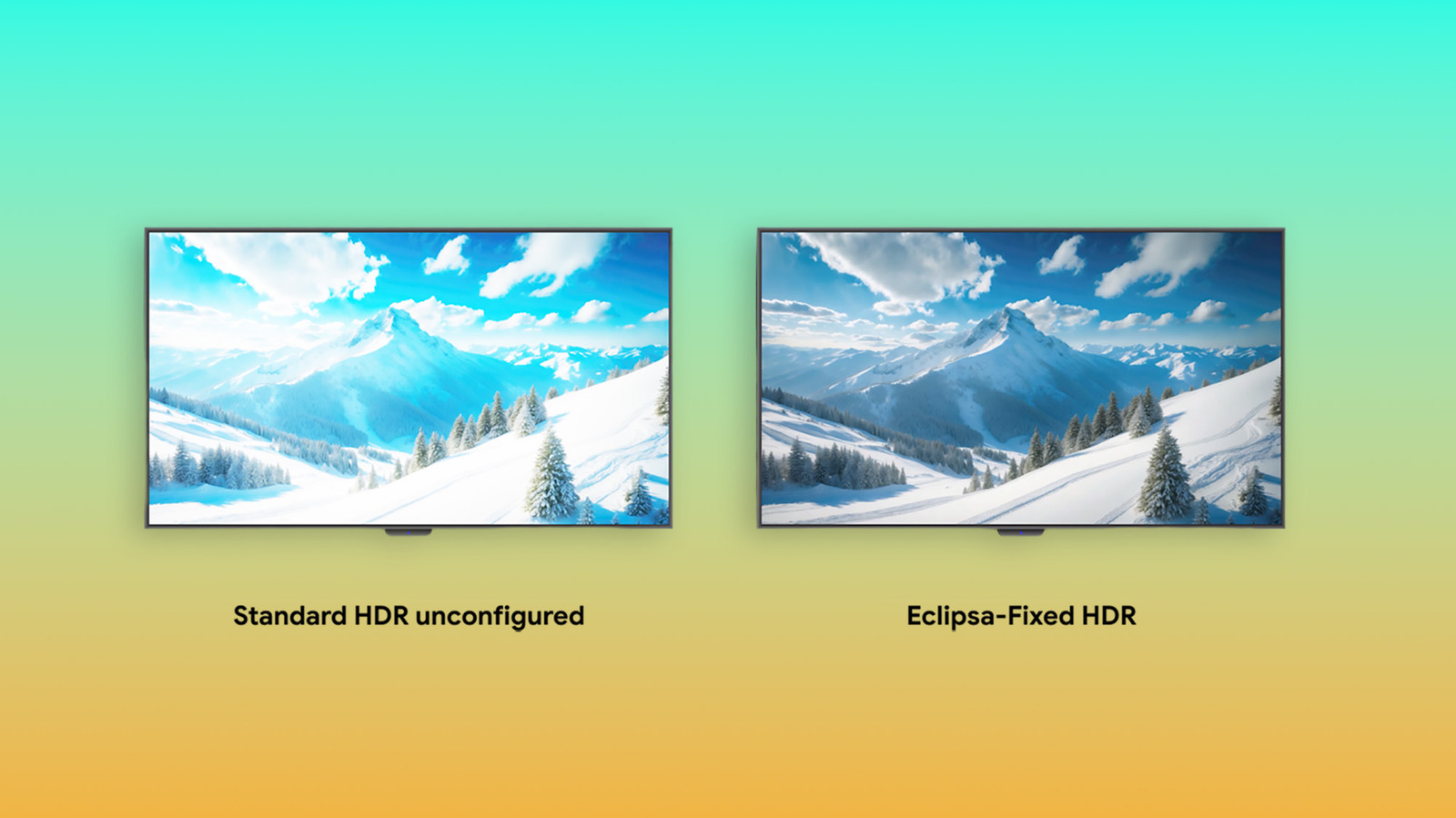
Google has introduced Eclipsa Video, a new open HDR standard designed to make high-dynamic-range content look more consistent across different devices, apps and lighting conditions. The format tries to solve a long-standing HDR frustration whereby the same scene can appear dazzling on a high-end TV but display muddy shadows on a phone or blown-out highlights in a dark room. It matters because more predictable playback could meaningfully improve everyday viewing on the widening range of screens people use.
Eclipsa Video is Google's branded version of the open standard SMPTE ST 2094-50, developed alongside Apple and NBCUniversal. It works using two pieces of metadata: a white reference anchor that sets a baseline for mapping bright elements while reserving extra brightness for HDR, and headroom-adaptive gain curves that let creators embed instructions telling a display how to adapt when it cannot match the video's requirements. Like Dolby Vision, it uses dynamic metadata that adjusts the picture as the video changes, whereas standard HDR10 relies on static instructions; unlike the proprietary Dolby Vision, Eclipsa is open, as HDR10 is. Platform-wide support for playback and capture is coming with Android 17 and will eventually reach phones, tablets and TVs, though wider availability depends on device makers, streaming apps and content providers.
- Google's Eclipsa Video is a new open HDR standard for consistent playback.
- It uses dynamic metadata, like Dolby Vision, but is open like HDR10.
- Platform-wide support arrives with Android 17 across phones, tablets and TVs.