Politics news and discussion on TalkFuse.
JONATHAN TURLEY: James Talarico’s defense of gun control leaves out a key word
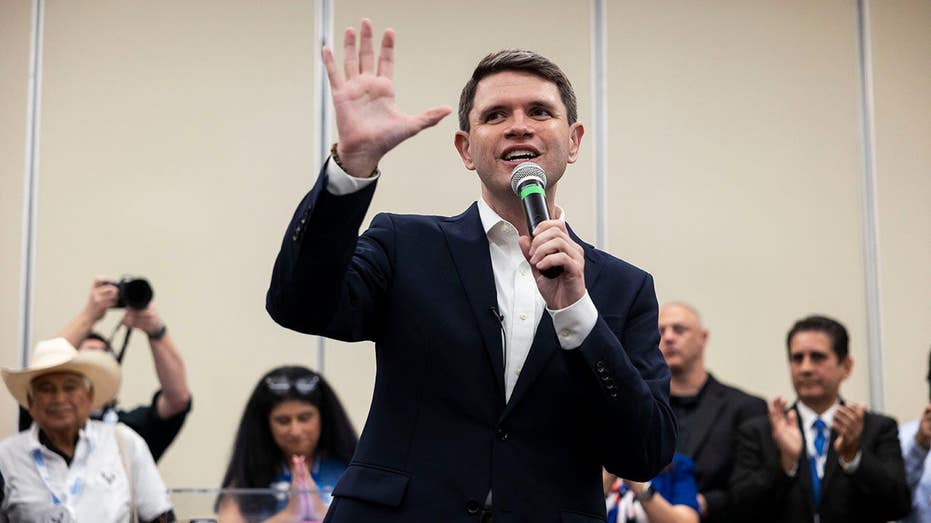
Jonathan Turley has challenged Democratic politician James Talarico's constitutional defence of gun control measures. Talarico argues that sweeping gun control laws remain consistent with the Second Amendment because the amendment itself references a "well regulated" right to bear arms, suggesting regulation is constitutionally permissible. Turley contends that Talarico's reading of the constitutional text is flawed or incomplete, implying the commentator believes Talarico has overlooked or misinterpreted something essential to the amendment's meaning.
The disagreement reflects a core constitutional dispute over how the Second Amendment's language constrains firearms policy. Talarico interprets "well regulated" as evidence the framers endorsed government regulation of weapons, whilst Turley's criticism suggests this reading ignores aspects of the amendment that protect individual gun rights. The exchange illustrates divergent conservative and progressive interpretations of how historical constitutional language applies to modern gun control debates.
In short
- Conservative commentator Jonathan Turley disputes James Talarico's constitutional argument that the Second Amendment permits broad gun control regulations
- Talarico bases his position on the amendment's 'well regulated' language, arguing this demonstrates the framers intended to allow firearms restrictions
- Turley suggests Talarico's interpretation omits or mishandles critical language or intent from the amendment's text
Steelman: both sides, in good faith
The strongest fair case each way — we don't pick a winner.
The case for
The Second Amendment's text explicitly begins with "well regulated militia," language the framers included deliberately to indicate that regulation and militia organisation were contemplated as compatible with the right. If the framers intended an unrestricted individual entitlement, they would have stated it plainly without this qualifier, yet they deliberately framed the amendment with regulatory language. This textual foundation permits legislatures to enact reasonable regulations maintaining public safety whilst preserving the core protected right.
The case against
The amendment's operative clause—"the right of the people to keep and bear arms, shall not be infringed"—uses language mirroring other Bill of Rights protections of individual freedoms. The "well regulated militia" is a prefatory clause explaining important historical context rather than limiting the scope of the right itself. Historical evidence demonstrates the framers sought to preserve individual capacity for self-defence and resistance to tyranny. Reading "well regulated" as authorising expansive government regulation misconstrues the amendment by treating an explanatory phrase as though it defines and constrains the operative right.
Explained simply
The Second Amendment is a part of the United States Constitution that protects Americans' right to own firearms. How courts interpret this 233-year-old text is crucial because it determines which gun control laws are constitutionally allowed and which are not. The amendment's exact wording has been subject to intense legal dispute for decades.
Democratic politician James Talarico argues that gun control is compatible with the Second Amendment because the amendment's language includes the phrase "well regulated," which he interprets as evidence the law's framers approved of government regulation of firearms. Legal commentator Jonathan Turley disputes this reading, asserting that Talarico has overlooked or misunderstood something fundamental about what the amendment actually protects.
These competing interpretations reflect a fundamental constitutional divide in American politics. The outcome of such legal debates affects millions of Americans because court rulings on the Second Amendment directly shape which firearms restrictions are permitted nationwide.