World news and discussion on TalkFuse.
You shouldn’t need a permit to pray in your own home — the Supreme Court should agree
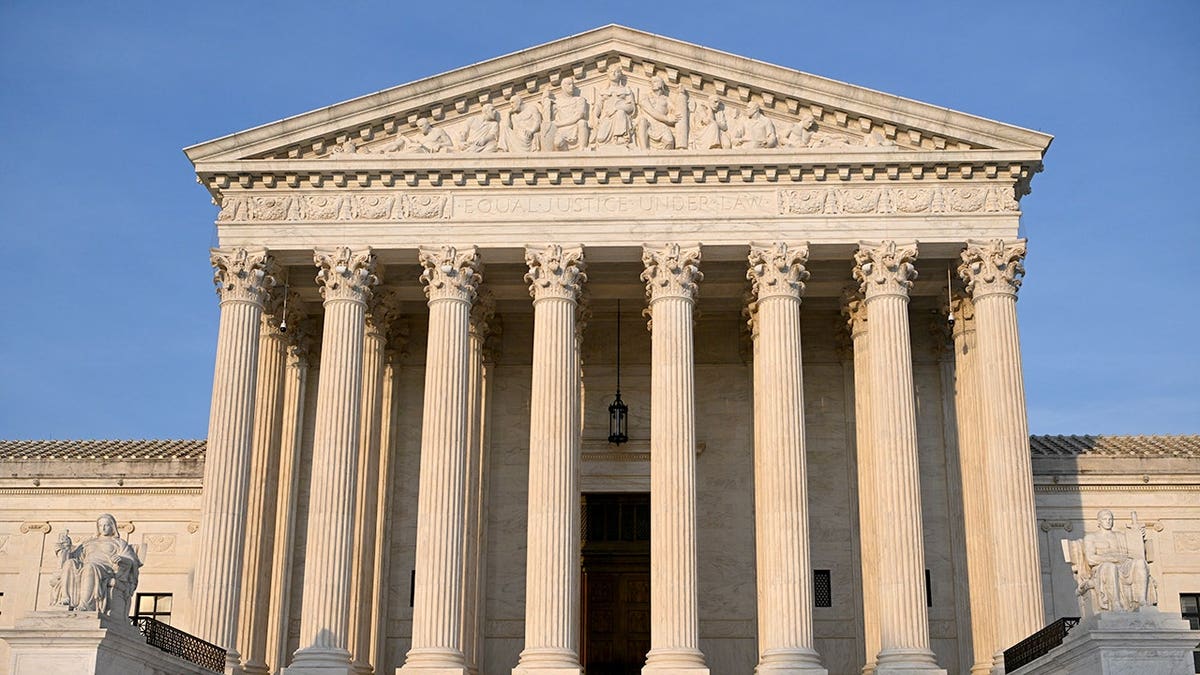
This Fox News opinion piece argues that Americans should not have to obtain permission from local authorities before praying in their own homes, and says the US Supreme Court should reject procedural barriers that prevent such disputes being heard. The article frames the issue as a First Amendment case about whether government bodies can chill religious practice and then force citizens through a lengthy zoning process before they can challenge that interference in federal court. It matters, the writer argues, because the ruling could affect how easily people can defend constitutional rights when local regulation is involved.
The piece centres on the Supreme Court’s decision on 30 June 2026 to take up Grand v. City of University Place in its next term. From the text provided, the author presents the case as involving a zoning technicality used to block or delay access to court, rather than a direct judgment on prayer itself. The article’s broader point is that bureaucratic procedures should not be allowed to stand in the way of judicial review when someone claims the government has burdened free exercise of religion in a private home.
In short
- Opinion piece says home prayer should not need official permission
- Focus is on a Supreme Court free-speech and religious-rights case
- Author opposes zoning rules blocking quick access to court
Steelman: both sides, in good faith
The strongest fair case each way — we don't pick a winner.
The case for
The First Amendment's protection of religious exercise becomes meaningless if government can use procedural barriers to prevent people from accessing federal court to challenge restrictions on that exercise. If local authorities can effectively chill religious practice by forcing lengthy zoning appeals before anyone can contest whether the regulation is constitutional, the fundamental right is rendered illusory. Direct access to federal review ensures bureaucracy cannot become a tool to suppress religious freedom, and courts should not require practitioners to abandon protected conduct or exhaust years of administrative processes before defending their constitutional liberties.
The case against
Zoning regulations serve legitimate public purposes that apply neutrally to all activities, whether religious or secular, and established administrative processes allow fair resolution of such disputes before federal intervention. Permitting religious activities to bypass normal procedural requirements whilst other activities cannot would create unfair privileges and potentially burden neighbourhoods without remedy. The proper approach is ensuring constitutional claims can be meaningfully raised within or alongside local proceedings, not eliminating procedural safeguards that promote federalism, judicial efficiency, and equal application of facially neutral laws.
Explained simply
The US Supreme Court is considering a case about whether local governments can use zoning procedures to prevent people from reaching federal court when challenging decisions affecting their religious practice at home. The case raises a specific procedural question: should bureaucratic requirements set by local authorities be allowed to block someone's ability to seek judicial review of government actions?
The dispute involves individuals claiming their freedom to practise their religion has been infringed, challenging local governments that have used zoning regulations as a barrier to federal court. Why this matters is that the Supreme Court's ruling could set a precedent for how easily Americans can defend their constitutional rights against local regulation, particularly when authorities use administrative procedures to obstruct court access.
When the Supreme Court takes up a case, it signals that the issue involves fundamental rights and questions that need resolution across the entire country. The decision could establish whether government can use procedural rules to prevent people from going to federal court when they claim their religious freedom has been restricted.