World news and discussion on TalkFuse.
Against a backdrop of advancing Chinese production, TSMC announces another $100 billion worth of chipmaking will be invested in the US
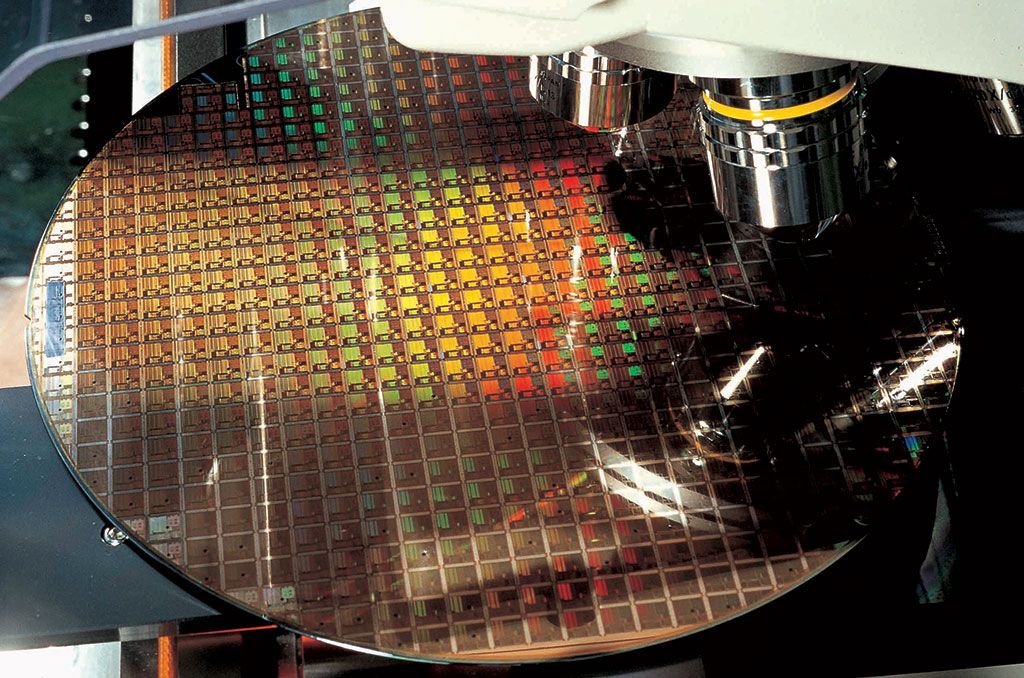
Taiwanese chipmaker TSMC has announced plans to invest a further $100 billion in expanding its manufacturing operations in the United States, on top of previous commitments, as it deepens its American footprint amid growing competition from China's expanding semiconductor industry. The move reflects continued efforts by both TSMC and the US government to reduce reliance on chip production concentrated in Taiwan and to strengthen domestic supply chains for advanced processors used in everything from smartphones to AI systems.
The new pledge builds on TSMC's existing US investment, which already stood at around $65 billion for facilities in Arizona, bringing the company's total committed spending in the country to roughly $165 billion. The expansion is expected to cover additional fabrication plants, advanced packaging facilities and a research and development centre, reinforcing the US as a growing hub for cutting-edge chip manufacturing even as Beijing pushes to accelerate its own domestic chip production capabilities.
In short
- TSMC pledges $100 billion more in US chip manufacturing investment.
- Total US commitment now reaches roughly $165 billion.
- Move comes as China ramps up its own chip production.
Steelman: both sides, in good faith
The strongest fair case each way — we don't pick a winner.
The case for
This investment represents prudent strategic planning in response to genuine geopolitical risk. Taiwan's concentration of advanced chip manufacturing creates a critical vulnerability given Chinese military capabilities and the centrality of semiconductors to modern defence and commerce. By establishing robust US domestic capacity through partnership with TSMC, the country secures its supply chains, creates high-value employment, maintains technological leadership, and reduces dangerous geographic concentration of essential infrastructure. The expenditure reflects sound principles of strategic resilience.
The case against
Whilst the rationale has merit, the strategy warrants scrutiny on economic and practical grounds. TSMC's Taiwan operations benefit from irreplaceable infrastructure, expertise, and ecosystem depth built over decades that cannot be readily duplicated. Investing heavily in duplicative US manufacturing capacity may prove inefficient compared to alternatives—such as strengthening Taiwan's own defensive capabilities, deepening reliable allied relationships, or directing resources toward advanced research and innovation rather than mature manufacturing. Whether this represents the most cost-effective path to technological security and supply chain resilience remains genuinely debatable.
Explained simply
TSMC is a Taiwanese company that manufactures computer chips for clients worldwide, including the processors inside smartphones, artificial intelligence systems and other advanced electronics. It is the world's most important chipmaker, and without TSMC's factories, companies would struggle to produce many of the devices modern life depends on.
For decades, Taiwan has been the dominant location for producing the world's most advanced chips, but relying on a single island for such a critical technology presents a strategic risk. The United States and other countries have grown concerned about this concentration, particularly as tensions with China have increased and China has invested heavily in developing its own chip manufacturing capabilities.
To reduce this vulnerability, the US government has encouraged chipmakers like TSMC to build factories in America. TSMC's commitment to billions of dollars in US investment reflects both American government support and the company's own recognition that spreading production across multiple countries makes global supply chains more stable and ensures reliable access to the advanced chips that modern economies depend on.