Why does wireless Android Auto use both Bluetooth and Wi-Fi?
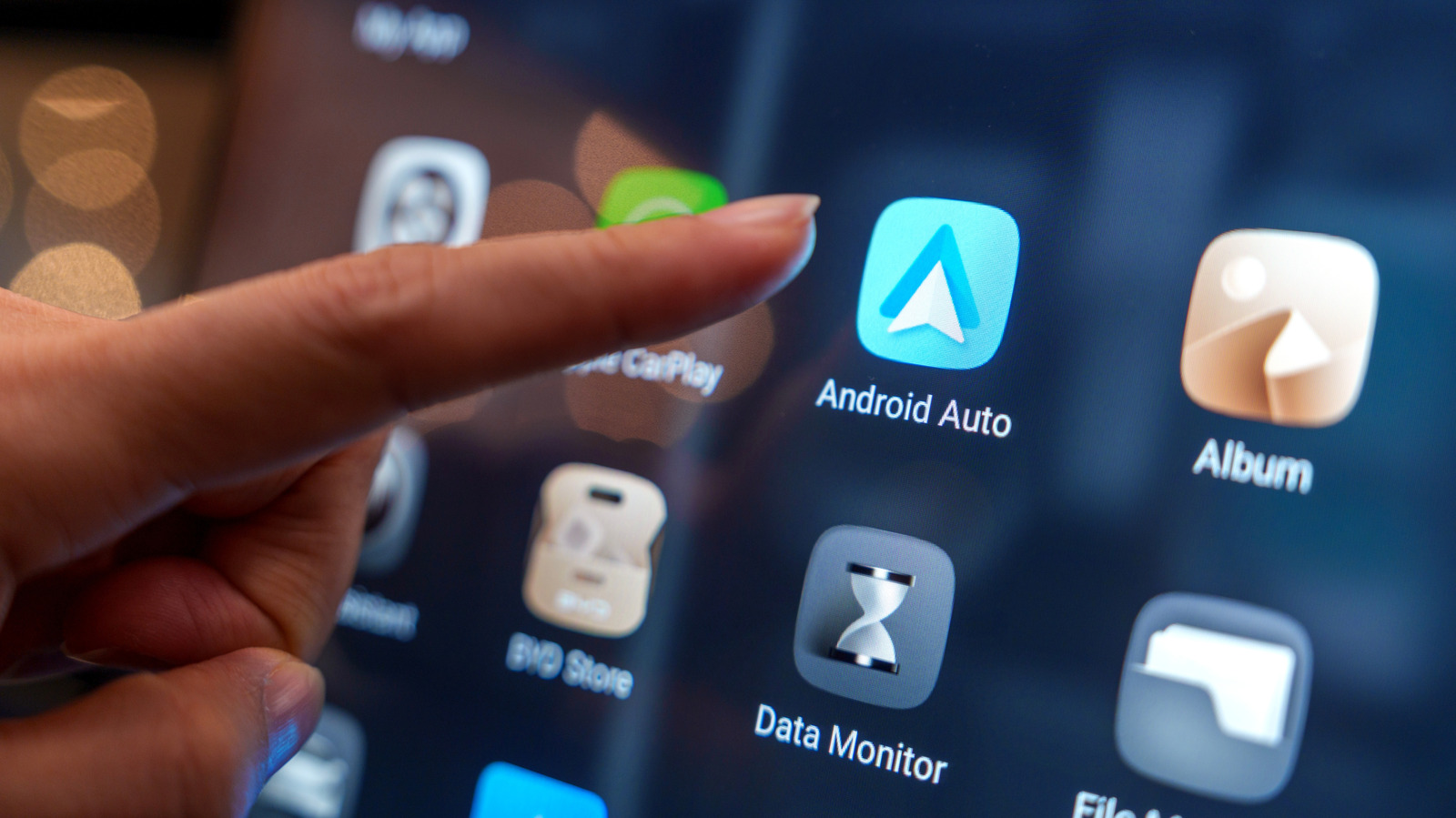
Wireless Android Auto relies on both Bluetooth and Wi-Fi simultaneously because each handles a different part of the connection, and neither can do the job alone. Bluetooth manages the initial handshake between phone and car and carries hands-free calling, while Wi-Fi Direct handles the bandwidth-heavy tasks such as displaying the dashboard interface, streaming audio and relaying sensor data like GPS and touch inputs. This explains why some drivers are surprised to learn that switching off either connection breaks the wireless link entirely.
Bluetooth is used first because it is low-power and can scan for and pair with a car's system in the background, but it only offers around 2-3Mbps of throughput, which is far too slow for a full map interface plus audio and touch data. Once paired, the phone switches to a peer-to-peer 5GHz Wi-Fi Direct network, which Google's own Android Auto documentation says is required because standard Bluetooth cannot support continuous video projection; this is also why older phones without 5GHz Wi-Fi cannot use the feature. Cars without built-in wireless support can add it via dongles such as Carlinkit, AAWireless or the Motorola MA1, which replicate the same Bluetooth-then-Wi-Fi handoff, though drawbacks of the wireless system include faster battery drain and, with dongles, added connection delay.
- Bluetooth handles pairing and calls; Wi-Fi carries the display and data
- Bluetooth's low bandwidth can't support video, so Wi-Fi Direct takes over
- Dongles like Carlinkit add wireless support but drain battery and add delay