Nolan’s Odyssey reveals how faithfully it follows Homer’s ending
Developed over time first seen 2 months ago
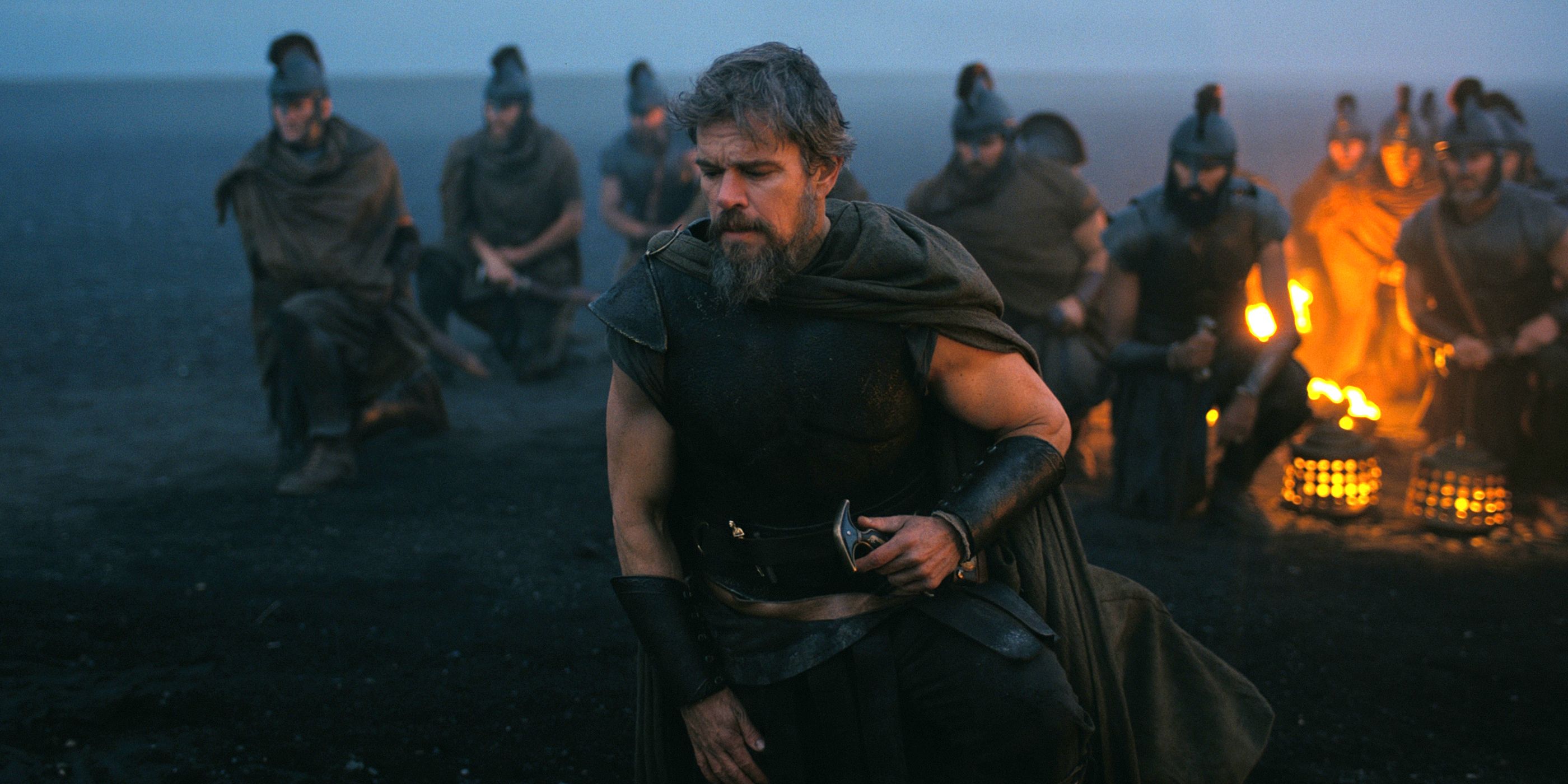
Christopher Nolan's film adaptation of Homer's The Odyssey has begun screening, three years after his previous release, Oppenheimer. Starring Matt Damon as Odysseus, the film follows the mythological hero's decade-long journey home to Ithaca after the Trojan War, and its ending has drawn interest both from newcomers to the story and from those familiar with Homer's original poem curious how closely Nolan's version follows it.
The film largely mirrors the source material's conclusion: Odysseus returns home in disguise as a beggar, tests the suitors pursuing his wife Penelope (Anne Hathaway) by observing how they treat him, and wins a contest only he can complete before killing the suitors with his son Telemachus's (Tom Holland) help. Nolan makes some changes, notably swapping the poem's bed-based identity test for a challenge involving firing an arrow through a line of axes. The film reveals Odysseus survives his injuries from the killings and goes into a self-arranged exile as "punishment", before he and Penelope sail off together in the closing moments.
- Nolan's Odyssey film has begun screening in cinemas.
- Ending closely follows Homer's poem, with small changes.
- Bed test swapped for an arrow-through-axes challenge scene.
New here? Start with this
Homer’s Odyssey is an ancient Greek epic poem about Odysseus, the king of Ithaca, trying to return home after the Trojan War. His journey lasts ten years and includes encounters with gods, monsters and other dangers, while his wife Penelope and son Telemachus remain in Ithaca.
During Odysseus’s absence, a group of suitors occupy his household and compete to marry Penelope, assuming he is dead. The poem’s final section centres on his secret return, his reunion with his family and his confrontation with the suitors.
The story has been retold in many forms, but its ending is particularly well known because it resolves both the struggle for Odysseus’s home and questions about whether Penelope can recognise him. Adaptations often keep the broad events while altering how the characters’ identities, loyalties and future are shown.
More coverage
Americas Celebrity Entertainment World
Read the full article at the source →
Originally published by Collider as “Christopher Nolan’s ‘The Odyssey’ Ending Explained”.