Business news and discussion on TalkFuse.
Intercity rail passengers face summer disruption amid slashed services and strike votes
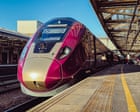
Rail passengers on all three of Great Britain's main north-south intercity lines face potential disruption this summer, with East Midlands Railway (EMR) cutting services due to train faults and drivers on LNER and Avanti West Coast balloting for strike action. The combination threatens widespread delays and overcrowding across the network at a time already strained by industrial relations issues and, in EMR's case, unresolved questions from a recent fatal crash involving its new trains.
EMR is cancelling around 20 fast services a day between London, Sheffield and Nottingham because of "performance and reliability issues" with its new Hitachi-built class 810 "Aurora" fleet, alongside poor maintenance of the older class 222 trains they were meant to replace. The Aurora fleet only entered service this year following a three-year delay, and one of the trains was involved in last month's fatal Bedford crash, still under investigation. Separately, the drivers' union Aslef has called a strike ballot at LNER after a pay deal agreed with the state-owned operator was reportedly blocked by the Department for Transport, following a similar ballot announced two weeks earlier at Avanti West Coast, raising the prospect of strikes on both lines by late August.
In short
- EMR cancels hundreds of trains due to faulty new Hitachi fleet
- Aslef ballots LNER drivers for strikes after stalled pay deal
- Avanti West Coast drivers already voting on strike action too
Steelman: both sides, in good faith
The strongest fair case each way — we don't pick a winner.
The case for
Train drivers negotiated a pay agreement directly with LNER management in good faith, but the Department for Transport then unilaterally blocked it, violating established negotiation principles. Workers have a fundamental right to strike when negotiated settlements are overturned by government decree, particularly as public sector wages have stagnated in real terms whilst service demands increase.
The case against
The Department for Transport must manage overall railway funding within approved budgets; if individual operators independently negotiate deals exceeding their funding envelope, the system becomes unaffordable. The government cannot be bound by agreements that breach its fiscal constraints. Strikes ultimately harm the travelling public, particularly those on low incomes, who depend on reliable services.
Explained simply
Passengers on Great Britain's three main intercity rail routes face potential disruption this summer. East Midlands Railway is cutting services due to train problems, whilst drivers at LNER and Avanti West Coast are being balloted on strike action, threatening widespread delays and overcrowding at a time when rail travel is typically at its busiest.
East Midlands Railway is removing around 20 daily fast services between London, Sheffield and Nottingham because of reliability issues with its newer trains and maintenance problems with older ones. The newer Hitachi-built trains, called the Aurora fleet, only started running this year following a three-year delay, and one was involved in a fatal crash in Bedford last month, which remains under investigation.
Drivers at LNER are being balloted for strike action after a pay deal agreed with the state-owned operator was reportedly blocked by the Department for Transport. A similar ballot is already under way at Avanti West Coast for the same reason. These industrial disputes reflect broader tensions between railway operators, unions and government over pay and working conditions.
Business Culture Elections Politics Travel UK World