Primate centre outbreak yields insights for Shigella vaccine
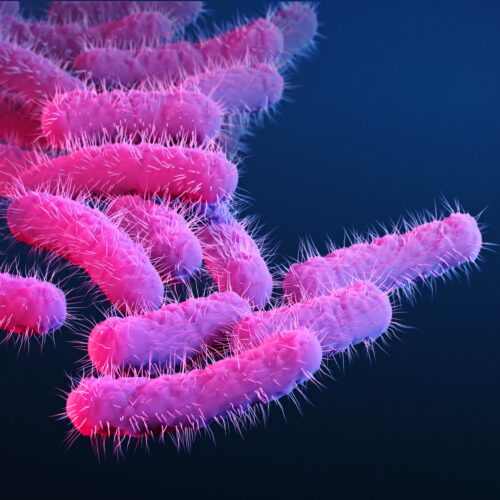
A years-long diarrhoea outbreak among captive primates has given scientists an unexpected wealth of immunological data that could speed up development of a vaccine against Shigella, a bacterium that kills over 200,000 people worldwide each year, mostly children. Researchers analysed immune responses from the infected animals to identify precise molecular targets on the bacteria, pinpointing where the most effective antibodies attach, offering a concrete foundation for designing a vaccine capable of protecting against multiple Shigella strains.
The outbreak began in December 2022 at the Wisconsin National Primate Research Center in Madison and lasted over two years, resulting in 169 confirmed cases, mostly mild but with some severe and asymptomatic infections, and infants hit hardest, mirroring patterns seen in humans. Genome sequencing of isolates traced the outbreak to two related clusters of Shigella flexneri, with 63% of tested isolates showing multidrug resistance. Scientists drew blood and immune cell samples from 41 infected animals over several weeks to map antibody responses against the bacteria's outer LPS molecule, work published in Science Translational Medicine that the authors say marks a step towards rational Shigella vaccine design.
- Primate diarrhoea outbreak yielded rare immune data on Shigella infection.
- Findings pinpoint precise antibody targets for future vaccine design.
- Outbreak involved 169 cases, many multidrug-resistant, at Wisconsin lab.
Health Medicine Research Science
Read the full article at the source →
Originally published by Ars Technica as “150 research primates got diarrhea, flooding lab with priceless vaccine data”.