31 Years Ago, ‘X-Files’ Reached Its Zenith with a Near-Perfect 3-Part Thriller
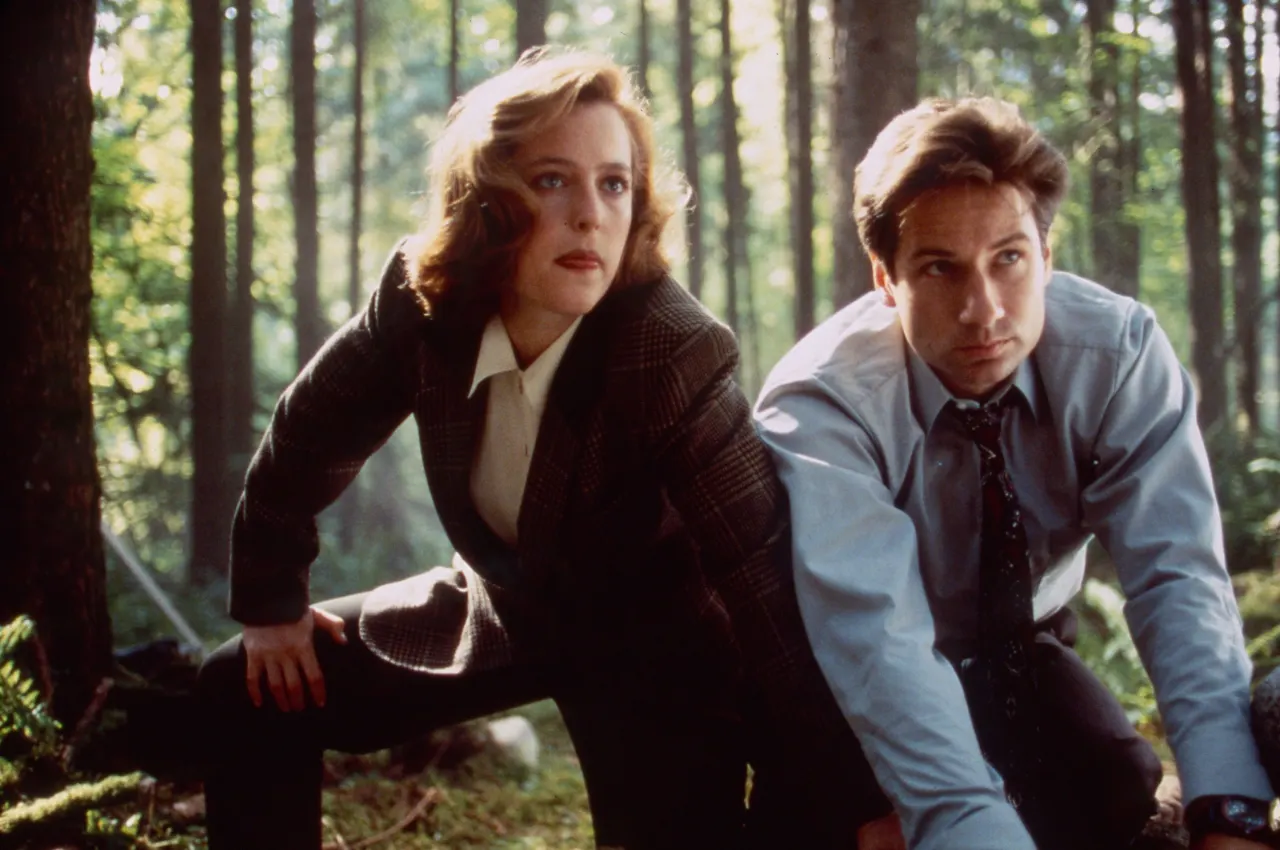
The article argues that “Anasazi”, “The Blessing Way” and “Paper Clip” form a high point in The X-Files’ mythology, linking a government UFO conspiracy to the Navajo code talkers of the Second World War. The story follows Mulder and Scully as they try to understand a tape of secret files, uncover evidence of alien bodies and face attempts to silence them.
“Anasazi” aired on 19 May 1995, ending the show’s second season; “Paper Clip” followed “The Blessing Way” to begin season three, 31 years ago this week. The episodes feature the Navajo code talker Albert Hosteen, who helps Mulder and later commits the files to memory and shares them with 20 other Navajo people. Although the Cigarette Smoking Man gets the tape, Skinner secures Mulder and Scully’s reinstatement at the FBI.
- The article calls the three episodes a high point for The X-Files.
- The trilogy ties secret UFO files to Navajo code talker Albert Hosteen.
- Hosteen shares the files’ contents with 20 other Navajo people.
New here? Start with this
The X-Files was a television series in which two FBI agents, Mulder and Scully, investigated mysterious cases whilst pursuing evidence of a secret government conspiracy involving extraterrestrial life. The show's central appeal lay in a long-running conspiracy storyline that unfolded gradually across seasons, with viewers learning more about what the government supposedly knew about aliens. This mythology, as fans called it, formed the backbone of the series alongside standalone mystery episodes.
In May 1995, three episodes—"Anasazi", "The Blessing Way" and "Paper Clip"—formed a continuous story that aired at the end of one season and the start of the next. Mulder and Scully discover secret files containing evidence of alien bodies whilst assisted by a Navajo elder named Albert Hosteen, a character drawing on the real Second World War code talkers. Those in authority attempt to suppress the evidence whilst the agents race to preserve it.
An article marking the 31st anniversary of these episodes examines what made this three-part arc significant within the show's mythology. The episodes showed how the series could integrate genuine historical figures and events—the Navajo code talkers from the Second World War—into its fictional conspiracy narrative, lending credibility to the otherwise implausible storyline. For viewers invested in the show's complex mythology, this arc represented a notable development in how the government's secrets were being gradually revealed.