5 K-Dramas That Everyone Forgot About
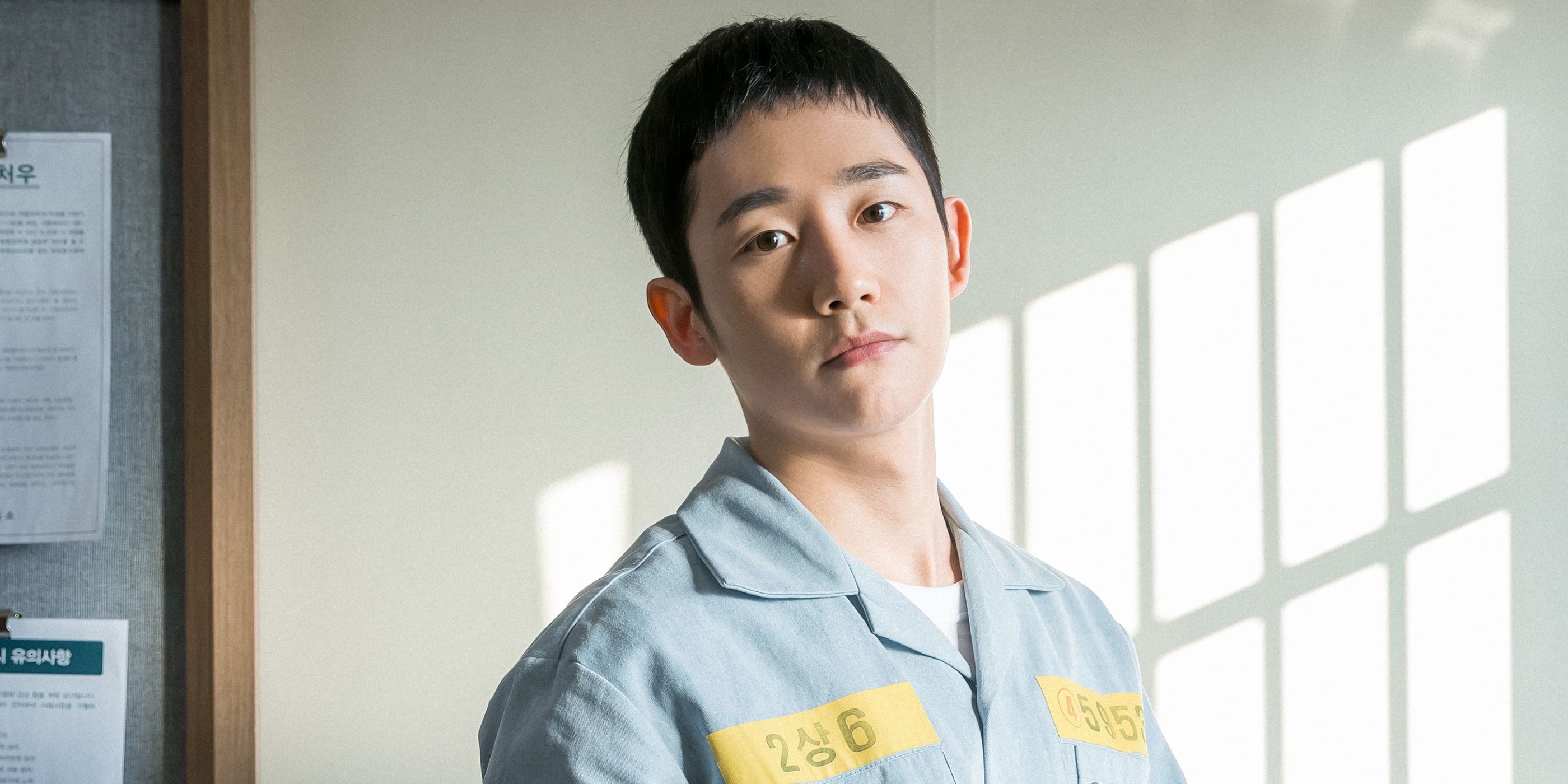
Collider has compiled a list of underrated Korean dramas that have slipped from the spotlight amid the constant stream of new K-drama releases, arguing they deserve rediscovery by audiences now that the genre has a much larger global following. The piece highlights shows that predate or sit outside the recent K-drama boom, noting they often lack the international recognition of newer, higher-profile titles despite strong writing and performances.
The list includes Prison Playbook (2017), a comedy-drama from the creator of Reply 1988 starring Park Hae-soo (later of Squid Game fame) and Jung Kyung-ho as a jailed baseball star and his childhood friend; and Through the Darkness, a serial-killer drama likened to Netflix's Mindhunter, based on the memoirs of South Korea's first criminal profiler and starring Kim Nam-gil. A third title, Navillera, is introduced before the supplied text cuts off, alongside two further entries not detailed in the excerpt provided.
- Collider lists forgotten K-dramas worth rediscovering
- Includes Prison Playbook (2017) and Through the Darkness
- Both praised for character depth over genre conventions
New here? Start with this
Prison Playbook and Through the Darkness are two entries in a Collider article rounding up Korean dramas (K-dramas) that the writer feels have been overlooked, even as South Korean television has attracted a much larger worldwide audience in recent years. Prison Playbook is a 2017 comedy-drama about a star baseball player who ends up in jail, made by the team behind the popular series Reply 1988, and features actors Park Hae-soo and Jung Kyung-ho, both of whom later became more widely known through the Netflix hit Squid Game. Through the Darkness is a different kind of show altogether: a crime drama inspired by the real memoirs of South Korea's first criminal profiler, in a similar vein to the American series Mindhunter, starring actor Kim Nam-gil.
The wider article lists five such dramas in total, including a third titled Navillera, arguing that these shows have strong writing and performances but lack the profile of newer, more heavily promoted K-dramas. The piece is essentially a recommendation list rather than breaking news, aimed at helping viewers discover older or lesser-known titles worth watching.