55 years of ‘Please Mr Postman’ and The Marvelettes’ hand in shaping the British invasion
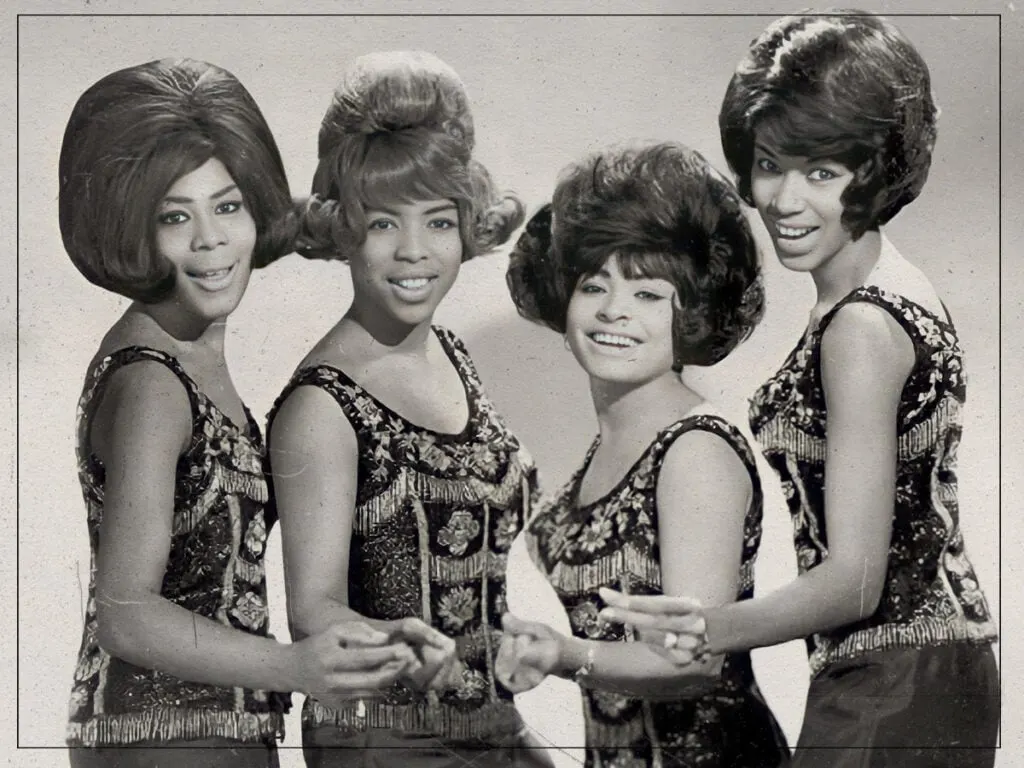
This year marks 55 years since The Marvelettes' 1961 debut single "Please Mr Postman" became Motown's first US number one, a milestone that also had an unexpected influence on British pop. Although the song did not chart significantly in the UK at the time, it was discovered by a pre-fame Beatles, who heard it as a rare soul import in a Liverpool record shop and began performing it in their early Cavern Club sets, introducing many British fans to Motown's sound years before the label's official UK partnership with EMI.
Written by a five-person songwriting team and led by Gladys Horton's powerful vocals, "Please Mr Postman" topped the Billboard Hot 100 and became Motown's breakthrough hit, though The Marvelettes never repeated that level of success despite later top ten singles. The Beatles first encountered the track around December 1961 via Liverpool's NEMS record shop, later recording their own cover for 1963's "With the Beatles" album, cementing the girl group's unlikely role in shaping the British Invasion sound.
- "Please Mr Postman" turned 55, marking Motown's first US number one.
- The Beatles discovered the song via Liverpool import records in 1961.
- Their Cavern Club performances introduced Motown sound to early UK fans.
New here? Start with this
The Marvelettes were an American girl group signed to Motown, the Detroit record label that would go on to define much of 1960s soul and pop music. Their 1961 single 'Please Mr Postman' gave Motown its first US number-one hit, but the group struggled to sustain that early success and split up by 1970, their profile eclipsed by labelmates The Supremes.
The wider significance of the song lies in Liverpool rather than Detroit. The Beatles heard the track early on and began playing it in their live shows, then recorded their own version for a 1963 album, bringing Motown's sound to British audiences before the label had properly established itself in the UK market.
This matters because it points to an overlooked link between American soul music and the wave of British bands, known as the British invasion, that went on to reshape pop music in the 1960s. It highlights how a commercially modest American group could have an outsized influence on musicians who became global stars, even as the original artists received comparatively little recognition.