65 Years Ago, The Twilight Zone Aired Its Creepiest Episode
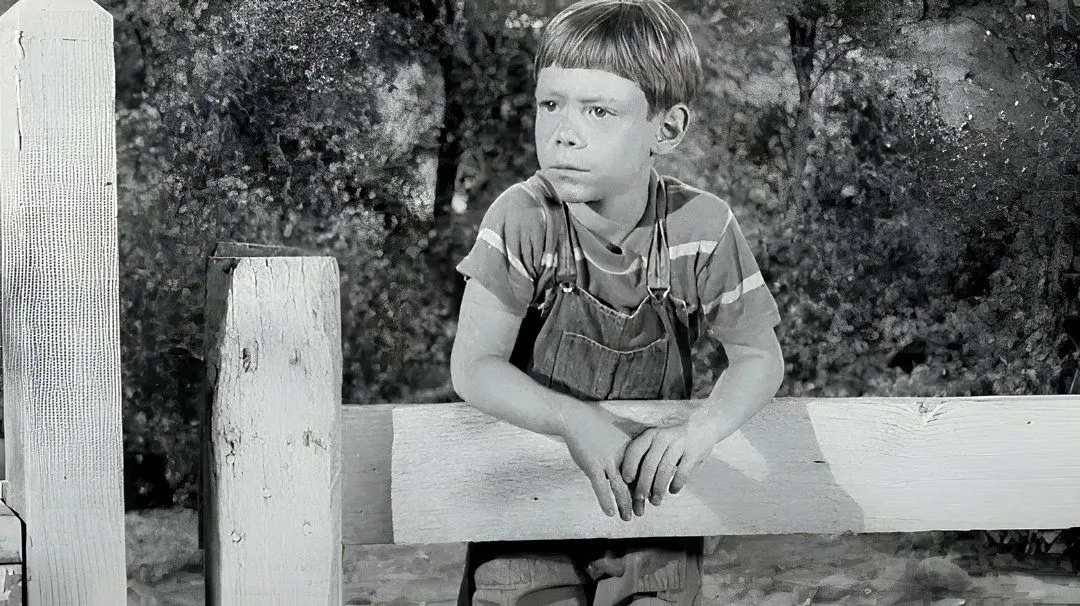
"It's a Good Life" is a 1961 Twilight Zone episode that examines the terror of forced compliance under psychological control. The story centres on Anthony Fremont, a six-year-old boy with godlike mental powers who has isolated the village of Peaksville and rules it through fear, forcing adults to feign happiness or face banishment to "the cornfield." The episode explores the loss of autonomy and the impossibility of resistance in totalitarian systems in ways that continue to disturb modern audiences.
Written by Rod Serling and based on Jerome Bixby's 1953 short story, the episode depicts a village stripped of technology, with electricity, automobiles and television signals removed at Anthony's whim, where food is scarce and adults must literally suppress their true thoughts to avoid punishment. A crucial turning point comes when a drunk man named Dan Hollis calls Anthony a monster and attempts to rally the villagers to revolt, raising the question of whether this challenge to the child's absolute control can actually change anything. The suffocating atmosphere created by constant surveillance and the threat of exile makes the episode a compelling examination of the psychological costs of living under absolute power.
- Six-year-old with godlike powers rules isolated village through fear and mind control
- Adults must feign happiness and suppress honest thoughts or face banishment
- 1961 episode explores psychological terror of authoritarian control
New here? Start with this
The Twilight Zone was an American television series that aired in the early 1960s, known for telling thought-provoking stories with science fiction or fantasy elements. "It's a Good Life," which aired in 1961, is often remembered as one of the show's most unsettling episodes.
The episode is set in Peaksville, a village controlled by Anthony Fremont, a six-year-old boy with godlike mental powers. Anthony has removed modern technology and now rules through psychological control, forcing adults to suppress their true thoughts and feign constant happiness or face exile. Life in the village is constrained by his ability to alter reality and punish those who displease him.
The episode examines what life becomes when one person holds absolute power and no one can resist. Written by Rod Serling, the series' creator, it portrays a community stripped of freedom, technology and autonomy, making it a stark exploration of totalitarian control through the lens of science fiction.