7 Forgotten K-Dramas That Have Aged Like Fine Wine
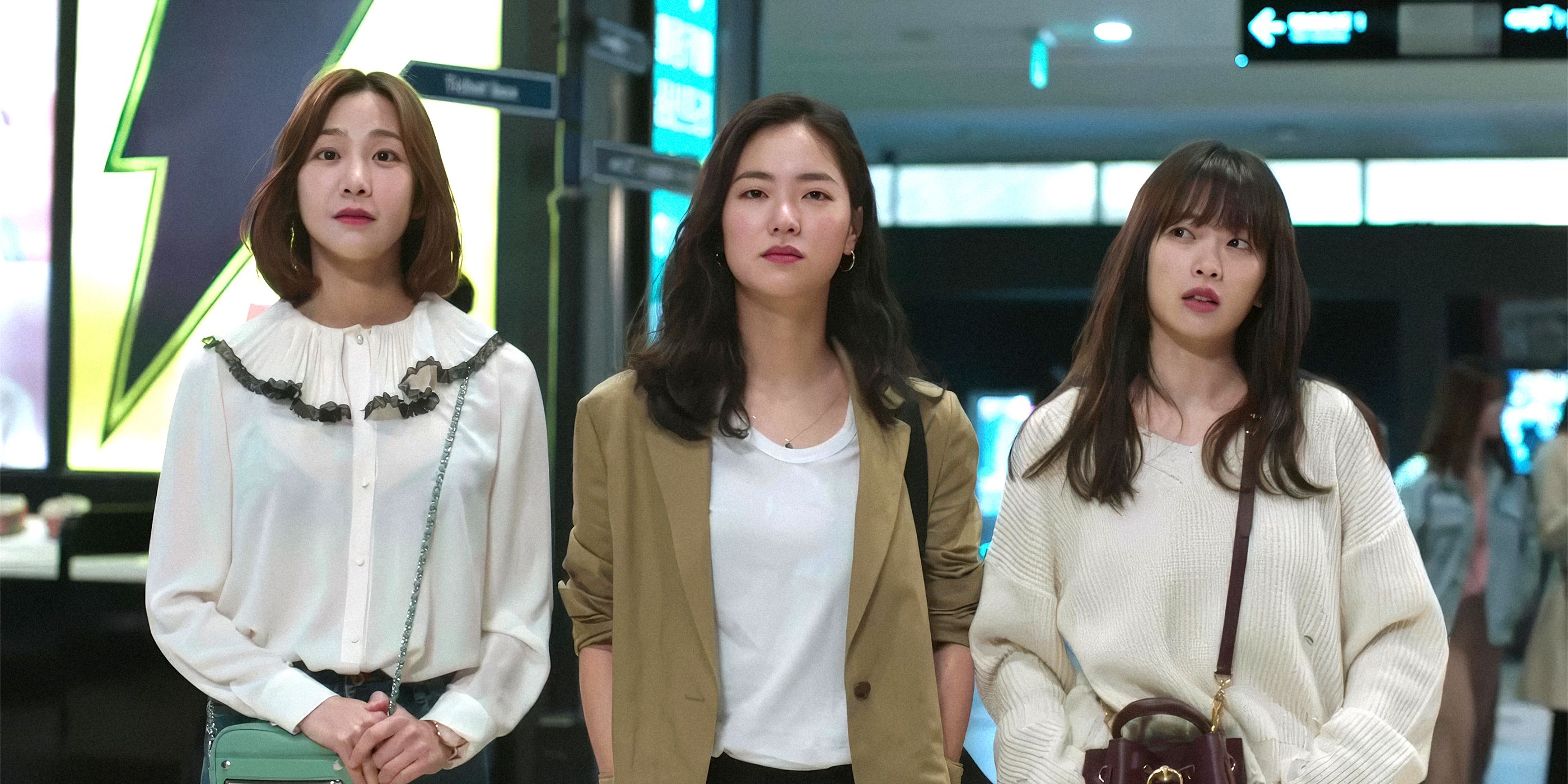
This Collider article rounds up seven K-dramas that received little mainstream attention on release but have held up well over time, arguing that being overlooked doesn't mean a show is outdated. The piece makes the case that lasting quality depends on relatable characters, enduring themes and solid writing rather than nostalgia, and highlights series it believes deserve rediscovery by binge-watchers overwhelmed by newer, trending shows.
Among the featured titles are "Nine: Nine Time Travels" (2013), starring Lee Jin-wook as a news anchor who can travel 20 years into the past using mysterious incense sticks, praised for its consistent time-travel logic and emotional weight; "Secret Love Affair" (2014), starring Kim Hee-ae and Yoo Ah-in, which explores an affair across class and age divides as a lens on socio-economic inequality; and "Alone in Love", starring Son Ye-jin and Kam Woo-sung, noted for its realistic portrayal of a divorced couple who struggle to let go of their relationship. The article continues with four further picks, framing all seven as underappreciated dramas whose storytelling has "aged like fine wine".
- Collider lists seven overlooked K-dramas worth revisiting today.
- "Nine: Nine Time Travels" praised for its disciplined, consequence-driven time-travel plot.
- "Secret Love Affair" and "Alone in Love" highlighted for mature, realistic storytelling.
New here? Start with this
Nine, Secret Love Affair and Alone in Love are South Korean television dramas, part of the K-drama genre that has become a major cultural export from South Korea over the past two decades. Nine aired in 2013 and starred Lee Jin-wook as a broadcaster who discovers he can travel back in time; Secret Love Affair, from 2014, followed an affair between characters played by Kim Hee-ae and Yoo Ah-in that crosses lines of age and class; and Alone in Love centred on a divorced couple, played by Son Ye-jin and Kam Woo-sung, working through the aftermath of their marriage.
None of these shows was a major ratings hit or widely discussed outside Korea at the time they aired, which is why they are now being described as overlooked or forgotten. The argument for revisiting them rests on the idea that strong writing, believable characters and themes such as inequality, ageing relationships and personal loss tend to hold up regardless of when a show was made.
This kind of list matters mainly to fans of Korean drama and streaming audiences, since it reflects an ongoing trend of viewers and critics looking back through older catalogues for shows worth a second chance, at a time when new K-dramas are released in large numbers and can quickly overshadow earlier work.