7 Modern Detective Books That Are Perfect From the First Page to the Last
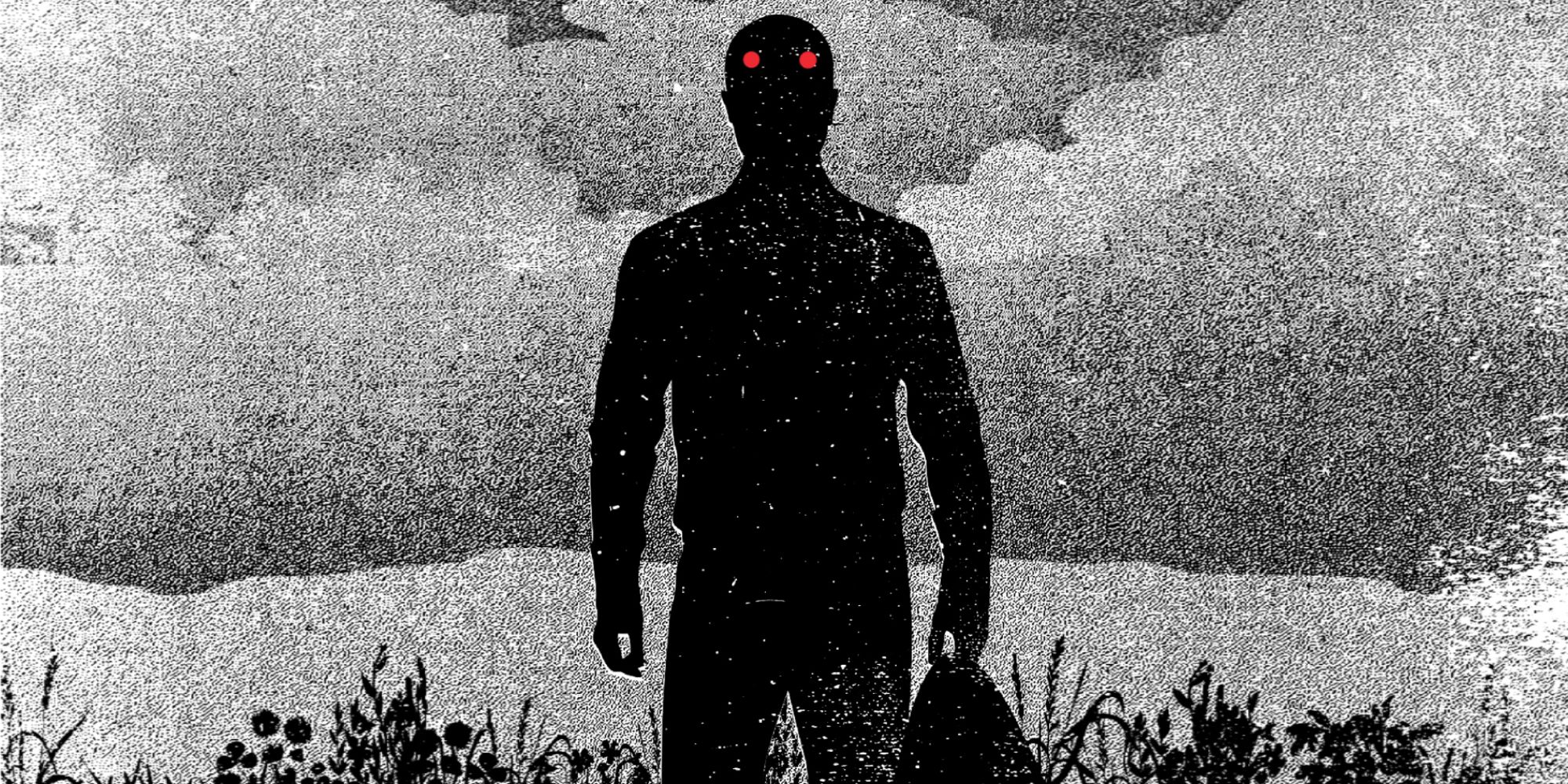
Collider has published a listicle recommending seven modern detective novels the site says deliver satisfying reads from start to finish, spanning Nordic noir, courtroom-drama-turned-thriller and Agatha Christie-style formats. The piece, written by Anja Djuricic, argues the detective genre keeps reinventing itself despite periodic claims that it has been exhausted, and highlights books built around compelling, flawed investigators rather than just clever plots.
Two of the featured titles are Arne Dahl's "Watching You" (2016), which introduces detective Sam Berger as he investigates messages and metal cogs left at crime scenes linked to missing teenage girls, praised for its lean, hard-boiled style and the partnership between Berger and Molly Blom; and Jo Nesbø's "The Snowman" (2007), the seventh novel featuring the troubled detective Harry Hole, who links a woman's disappearance to a taunting letter addressed to him personally.
- Collider lists seven modern detective novels worth reading cover to cover.
- Arne Dahl's "Watching You" launches the Sam Berger series with a hard-boiled style.
- Jo Nesbø's "The Snowman" features troubled detective Harry Hole hunting a taunting killer.
New here? Start with this
Detective fiction is one of the most enduring genres in publishing, built around a central investigator working to solve a crime, usually a murder or disappearance. Within that broad category sit several distinct styles, from Nordic noir's bleak Scandinavian settings to the classic puzzle-box mysteries associated with Agatha Christie, each with its own conventions and fanbase.
The piece centres on writers such as Arne Dahl, a Swedish author whose detective Sam Berger investigates cases involving missing teenagers, and Jo Nesbø, the Norwegian novelist behind the long-running Harry Hole series, in which a troubled Oslo detective is repeatedly drawn into deeply personal cases. Both authors are prominent figures in Nordic noir, a genre known for flawed, often damaged investigators and unsettling, atmospheric storytelling.
This kind of roundup reflects an ongoing conversation among readers and critics about whether detective fiction, one of publishing's oldest and most commercially reliable genres, still has room to surprise people. It matters mainly to readers looking for recommendations, rather than being tied to any breaking news event.