‘80s Fantasy Movies Whose Special Effects Put Modern Blockbusters to Shame
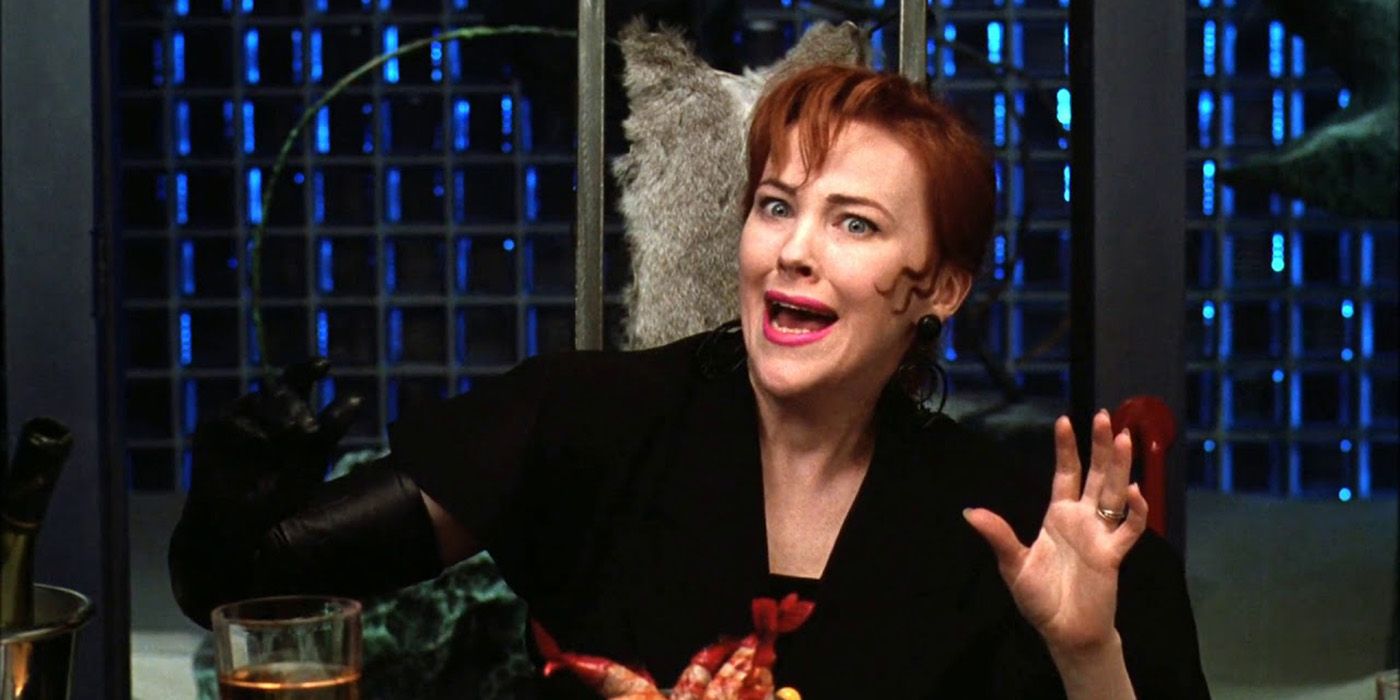
This article, a listicle from Collider, argues that many fantasy films from the 1980s achieved special effects that have aged better than those in many modern blockbusters. It credits this to the era's reliance on practical techniques, such as prosthetics, puppetry, lighting and camera trickery, rather than computer-generated imagery, which was still in its infancy and used sparingly. The piece argues that heavy reliance on CGI risks dating quickly, as audiences' eyes adapt fast to advances in animation, whereas practical effects tend to remain visually convincing decades later.
The list of ten films opens with three examples: The NeverEnding Story, praised for its puppetry work bringing creatures like Falkor to life; Who Framed Roger Rabbit, an Oscar-winning blend of animation and live action set in 1940s Hollywood; and Jim Henson's The Dark Crystal, notable for its entirely puppeteered cast portraying Gelflings and Skeksis. The full article continues beyond this excerpt to cover further entries in the ranking.
- 1980s fantasy films used practical effects that still hold up today
- Featured examples include The NeverEnding Story and Who Framed Roger Rabbit
- Article argues CGI-heavy modern films age faster than practical effects
New here? Start with this
The special-effects genre in 1980s fantasy cinema relied heavily on physical craft rather than computers. Techniques such as animatronics, puppetry, elaborate costumes, and in-camera trickery were used to bring imaginary creatures and worlds to life, largely because computer-generated imagery was still a new and limited technology at the time.
Films often cited in this context include The NeverEnding Story, Who Framed Roger Rabbit and Jim Henson's The Dark Crystal, each known for pioneering practical effects work such as puppeteered characters and combining live actors with animation. These productions are still widely studied and referenced today for their technical achievements.
The broader debate this touches on is how well different effects techniques age over time. Some argue that computer-generated visuals can look dated as technology advances, while physical effects, being tied to real materials and lighting, tend to retain their visual impact for longer.