9/11 taught us deadly lessons. 25 years later, we need a new model to prevent attacks
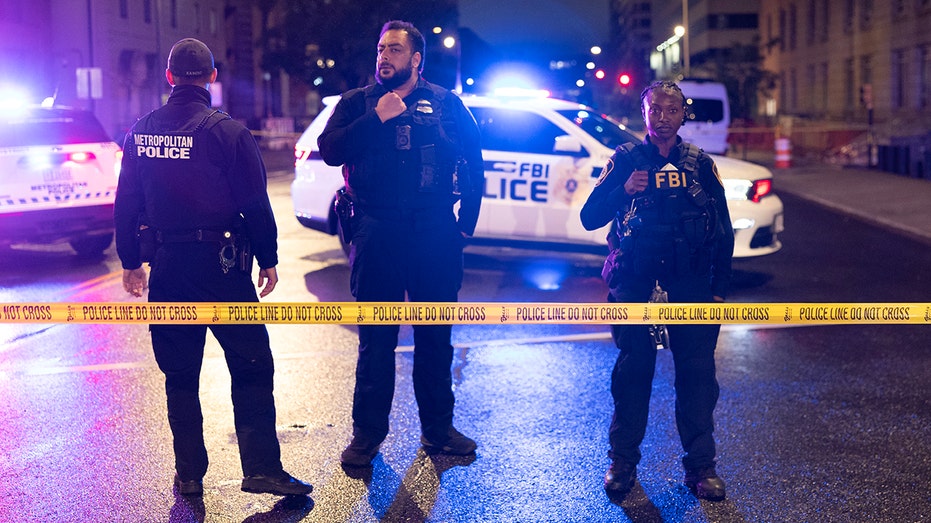
Marking the 25th anniversary of the 9/11 attacks, the head of the Secure Community Network (SCN) — the safety and security body for the North American Jewish community — argues that the information-sharing systems built after 2001, such as the Department of Homeland Security, Joint Terrorism Task Forces and fusion centres, were designed for a slower, pre-social-media threat environment and now need rethinking. The piece contends that radicalisation and attacks can now unfold within hours rather than months, meaning the challenge is no longer simply "connecting dots" but identifying which signals matter and acting on them before violence occurs.
The author cites SCN's own work as evidence, noting that the organisation identified more than 850 threats to life last year alone, referring them to the FBI's National Threat Operations Center and state and local fusion centres, resulting in various investigations, interventions, arrests and convictions. Specific cases mentioned include the arrest and 6.5-year sentencing of Hardy Lloyd in Pittsburgh for threatening jurors and witnesses in a synagogue shooting trial, and a separate 15-month harassment campaign in Philadelphia involving mailed threats.
- Opinion piece marks 25 years since 9/11, urges new threat-detection model
- Modern radicalisation-to-attack timelines have shrunk from months to days
- SCN says it flagged 850+ threats last year, aiding arrests like Hardy Lloyd's
New here? Start with this
Since roughly 2001, Western security agencies have relied on systems built after the 9/11 attacks — bodies such as the US Department of Homeland Security, joint police-and-intelligence task forces, and regional "fusion centres" that pool information from different agencies. These were designed to help investigators spot warning signs of an attack before it happened, largely by sharing intelligence that had previously been kept in separate silos.
A key figure in this debate is the head of the Secure Community Network, an organisation that handles safety and security for Jewish communities across North America. Groups like this work alongside law enforcement, including the FBI, to flag threats, support investigations and, in some cases, help bring criminal charges against people accused of making threats or planning violence.
The wider question is whether those post-9/11 systems still fit today's world, where social media and the internet can allow someone to become radicalised and act on it far more quickly than in the past. This matters because it touches on how effectively authorities and community organisations can identify genuine threats early and intervene before anyone is harmed.
Both sides, in good faith
The strongest fair case each way — we don't pick a winner.
The case for
Advocates of overhauling the post-9/11 model argue that radicalisation and mobilisation now happen at social-media speed, so institutions built around slower, paper-based dot-connecting are structurally unable to keep pace with modern threats. They point to concrete results, such as SCN's identification of over 850 threats to life in a single year and successful interventions like the Hardy Lloyd case, as evidence that faster, more targeted community-to-law-enforcement information sharing genuinely prevents violence and saves lives. For communities such as Jewish institutions facing sustained elevated threat levels, they contend that waiting for cumbersome inter-agency processes is a moral and practical failure that a modernised, rapid-response framework could fix.
The case against
Sceptics of expanding or accelerating this threat-detection model would argue that shifting the goal from carefully connecting verified dots to rapidly acting on ambiguous online signals risks lowering the evidentiary threshold for intervention, inviting more false positives and chilling lawful speech, dissent or association. They would note that the post-9/11 security apparatus already drew serious criticism for profiling, watchlisting and surveillance overreach, and that building faster, broader monitoring systems without correspondingly strong oversight and due-process safeguards could compound those harms rather than solve them. From this view, the answer lies in stronger accountability and targeted, evidence-based practice rather than in building a faster machine for flagging people before any crime has occurred.