A 10-year sky survey begins filming a ‘cosmic movie,’ cyborg cockroaches go for a dive and more science stories
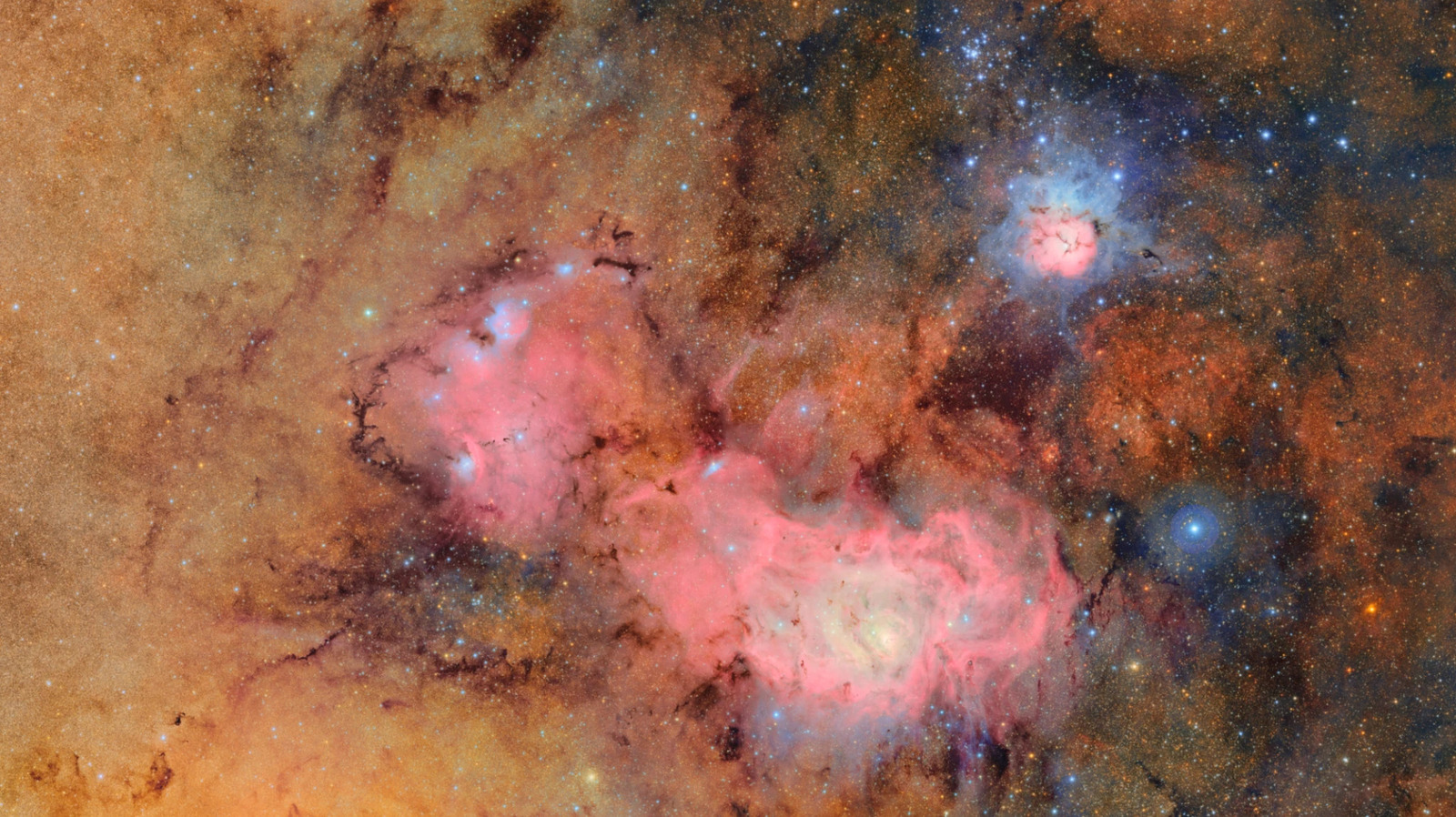
The Vera C. Rubin Observatory in Chile has commenced an ambitious decade-long observation programme aimed at mapping the cosmos with unprecedented clarity. Equipped with the world's largest digital camera containing 3.2 billion pixels, the facility will systematically photograph the southern sky multiple times each night, accumulating vast quantities of data to investigate fundamental cosmic mysteries including dark energy and dark matter. The continuous monitoring will enable scientists to track celestial changes and discover previously unidentified objects across the universe.
Researchers have engineered miniature underwater suits for modified Madagascar hissing cockroaches equipped with electronic systems, enabling the insects to operate in aquatic environments. The apparatus supplies oxygen to the creatures' breathing openings through tiny tubes while they perform underwater activities, with laboratory tests demonstrating survival capability extending to three hours. This technological approach addresses limitations of conventional rescue robots by allowing access to confined or hazardous spaces during emergency response operations, and such cyborg insects have already been deployed following natural disasters.
- Vera C. Rubin Observatory launches 10-year cosmic survey using the world's largest digital camera to investigate dark energy, dark matter, and stellar changes
- Researchers create miniature diving suits for cyborg cockroaches using oxygen-delivery tubes, enabling the insects to operate underwater for hours during search and rescue missions