A ‘dark cloud’ and ‘dismal’ mood: How it feels on Cornell campus right now
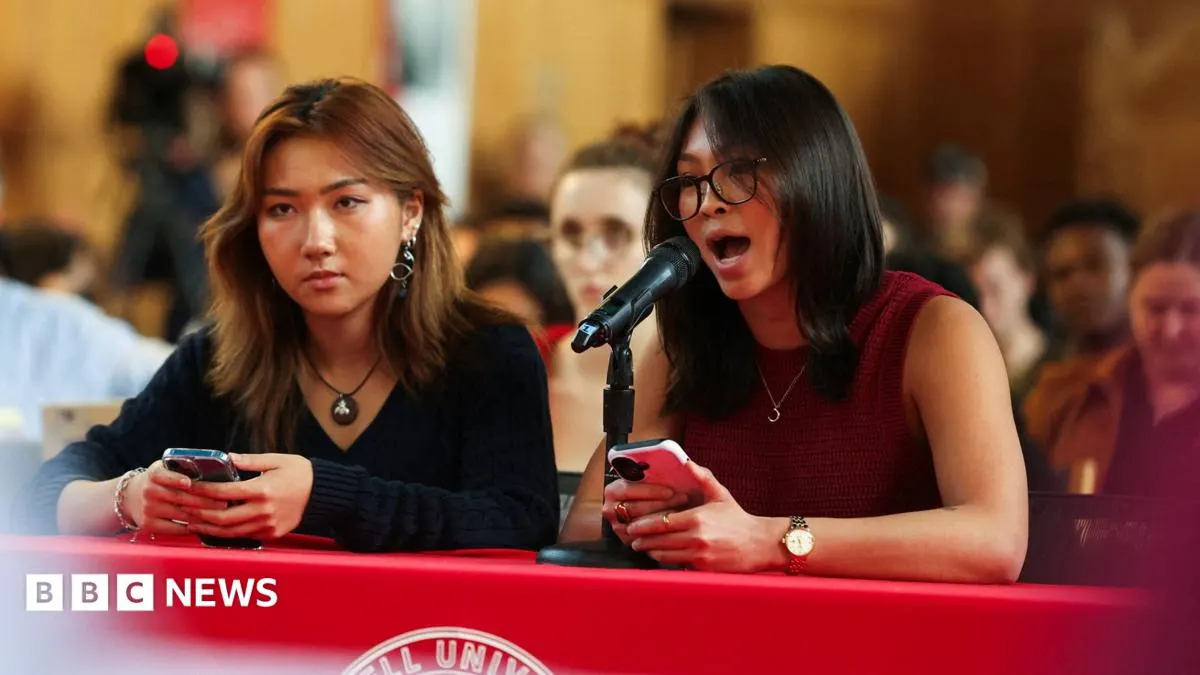
Cornell University students and staff say a 2024 alleged gang rape case has cast a “dark cloud” over campus, fuelling anger about fraternity culture and the university’s response. At a student assembly, attendees called for major changes and criticised what they saw as a lack of justice; Cornell says it investigated the report and followed federal civil rights law.
The accuser, known as Jane Doe, filed a civil lawsuit against Cornell on 16 September, alleging she was drugged and raped at a fraternity house and that the university failed to protect her or adequately punish those involved. New York Governor Kathy Hochul has appointed Attorney General Letitia James as special prosecutor after losing faith in the local district attorney, whose office reopened its criminal investigation last week. Student organisers are planning a 5 October protest and are seeking expulsions, policy changes and an external investigation; Cornell says its disciplinary panel imposed expulsions and suspensions but it cannot disclose individual outcomes.
- Cornell students say the case has darkened campus life.
- A civil lawsuit renewed scrutiny of the university’s response.
- New York’s attorney general is now special prosecutor.
New here? Start with this
An allegation of rape at Cornell University in 2024 has created significant tension on campus. A woman has alleged she was assaulted at a fraternity house and that the university failed to adequately respond to or protect her. The case has prompted widespread discussion about student safety and institutional responsibility.
Students and staff on campus have expressed frustration with how the university has handled the matter and with fraternity culture more broadly. Cornell has stated that it investigated the case, followed federal law, and took disciplinary action, though privacy rules mean it cannot publicly discuss individual outcomes. Some on campus believe the response has been insufficient.
The situation reflects broader questions about how universities respond to serious allegations involving their students. These cases often involve tensions between supporting accusers, ensuring fair processes, and maintaining campus safety. How Cornell resolves this matter may influence approaches at other universities.