A dolphin named Bubbles makes other fish vomit, then eats it
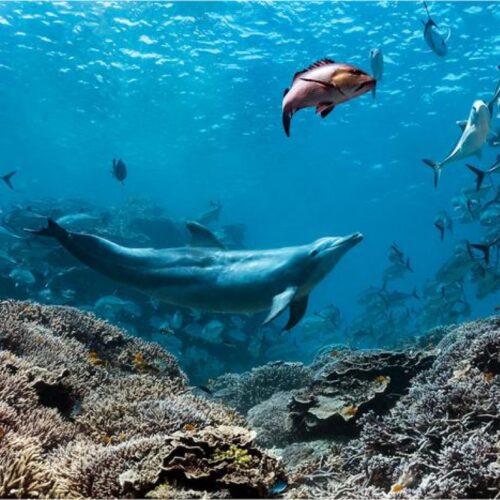
A male bottlenose dolphin named Bubbles at Lady Elliott Island off Australia's Great Barrier Reef has developed an unusual hunting strategy: he chases bigeye trevally fish, deliberately stressing them until they regurgitate their recently consumed meals, which he then eats. Researchers documented this behaviour in a new study published in Ecology and Evolution, finding that it challenges our romanticised perception of dolphins as benevolent ocean creatures—they are, in fact, active predators willing to exploit other species' food.
Between June 2021 and October 2025, scientists observed 20 foraging episodes involving Bubbles, 11 of which showcased this behaviour. Bubbles uses echolocation to identify target fish with full bellies, chases them individually whilst ignoring the rest of the school, and repeats the process up to 10 times per half hour. This learned feeding strategy appears more energy-efficient than conventional hunting, as it avoids the exhaustion of chasing fast-swimming prey. The behaviour, known as kleptoparasitism (food theft), is exceedingly rare in aquatic species, though it has been documented in other marine mammals such as Risso's dolphins preying on sperm whales.
- Dolphin stresses fish until they vomit, then eats the regurgitated food
- Scientists documented 11 instances of this rare behaviour over four years
- Learned strategy is more efficient than chasing fast-swimming prey