A requiem for Optane, Intel’s KV Cache killer that could have eased the RAM price crunch
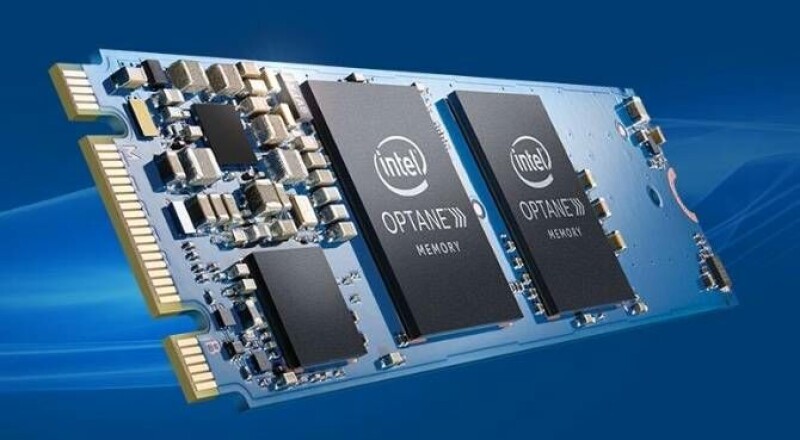
Intel's Optane memory technology, discontinued in 2021 after just five years on the market, would have been remarkably well-suited to today's write-intensive AI inference workloads had it survived long enough to see them emerge. Developed with Micron and launched in 2015, the 3D XPoint-based technology bridged the gap between NAND flash storage and DRAM, offering non-volatile storage with extremely low latency and exceptional write endurance. Its early demise, driven by high costs and Micron's decision to halt production, meant it disappeared just before the AI boom created exactly the kind of demanding, high-throughput memory workloads it was built to handle.
Optane's standout features included sub-10-microsecond latencies for SSDs (with persistent memory DIMMs reaching around 350 nanoseconds), endurance rated at 100 drive writes a day, and a projected mean time between failures of two million hours, figures still unmatched today. Its persistent memory DIMMs also offered capacities of up to 512GB, far exceeding the roughly 128GB ceiling of contemporary DDR4 modules, and could function as extra system memory, a storage pool, or dedicated application memory. Despite these strengths, Optane was priced awkwardly between NAND and DRAM without matching either on cost-effectiveness, and its bit density failed to keep pace with NAND flash. Micron ended 3D XPoint development in 2021, prompting then-Intel CEO Pat Gelsinger to formally discontinue the product line.
- Intel's Optane memory was discontinued in 2021, five years after launch.
- Its speed and endurance would have suited today's AI inference demands.
- High costs and Micron ending 3D XPoint production sealed its fate.