‘A tax on being thin’: only high earners make overall savings on food bills from weight-loss drugs
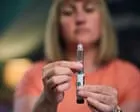
A consultancy analysis has found that the cost of private weight-loss drugs can exceed the money users save on food, meaning only very high earners are likely to make an overall financial saving. Baringa described this as a potential “regressive tax on being thin”, warning that affordability could widen health inequalities as access through the NHS remains limited.
The analysis estimated annual GLP-1 pill costs at £1,200: someone with £39,000 left after tax and essentials may save £481 on food, while savings only match the drug cost at about £97,500 of discretionary income. Nearly 3 million people in Britain are estimated to use weight-loss medication, with uptake higher among wealthier households; 20% of current users earn more than £100,000, compared with 6% from households earning under £20,000. Analysts also noted added spending on supplements and hair-care products for side effects, and warned that people may stop treatment because of cost, regain weight and potentially take on debt to restart it.
- Private weight-loss drugs save money overall mainly for high earners.
- Annual medication costs average about £1,200.
- Limited NHS access may worsen health inequalities.
Both sides, in good faith
The strongest fair case each way — we don't pick a winner.
The case for
The analysis highlights a genuine equity concern: if weight-loss medicines can improve health and reduce food spending but their upfront cost is affordable only to people on very high incomes, access to those benefits may widen existing health inequalities. Calling attention to the net financial burden usefully challenges the assumption that lower grocery bills make private treatment broadly economical, and supports arguments for lower prices, wider NHS provision or other measures that make effective care less dependent on disposable income.
The case against
The phrase “tax on being thin” may overstate what the figures establish, because GLP-1 medicines are optional clinical treatments rather than a charge imposed on people for their body size. Grocery savings are only one possible outcome and should not be treated as the main measure of value: people may choose treatment for health reasons, while costs, results and suitability vary substantially between individuals. A fair response may therefore focus on sound medical assessment and evidence-based public funding priorities rather than implying that private medication should pay for itself through reduced food bills.