World news and discussion on TalkFuse.
Activist group takes over London bus stops with fake Meta Glasses ads
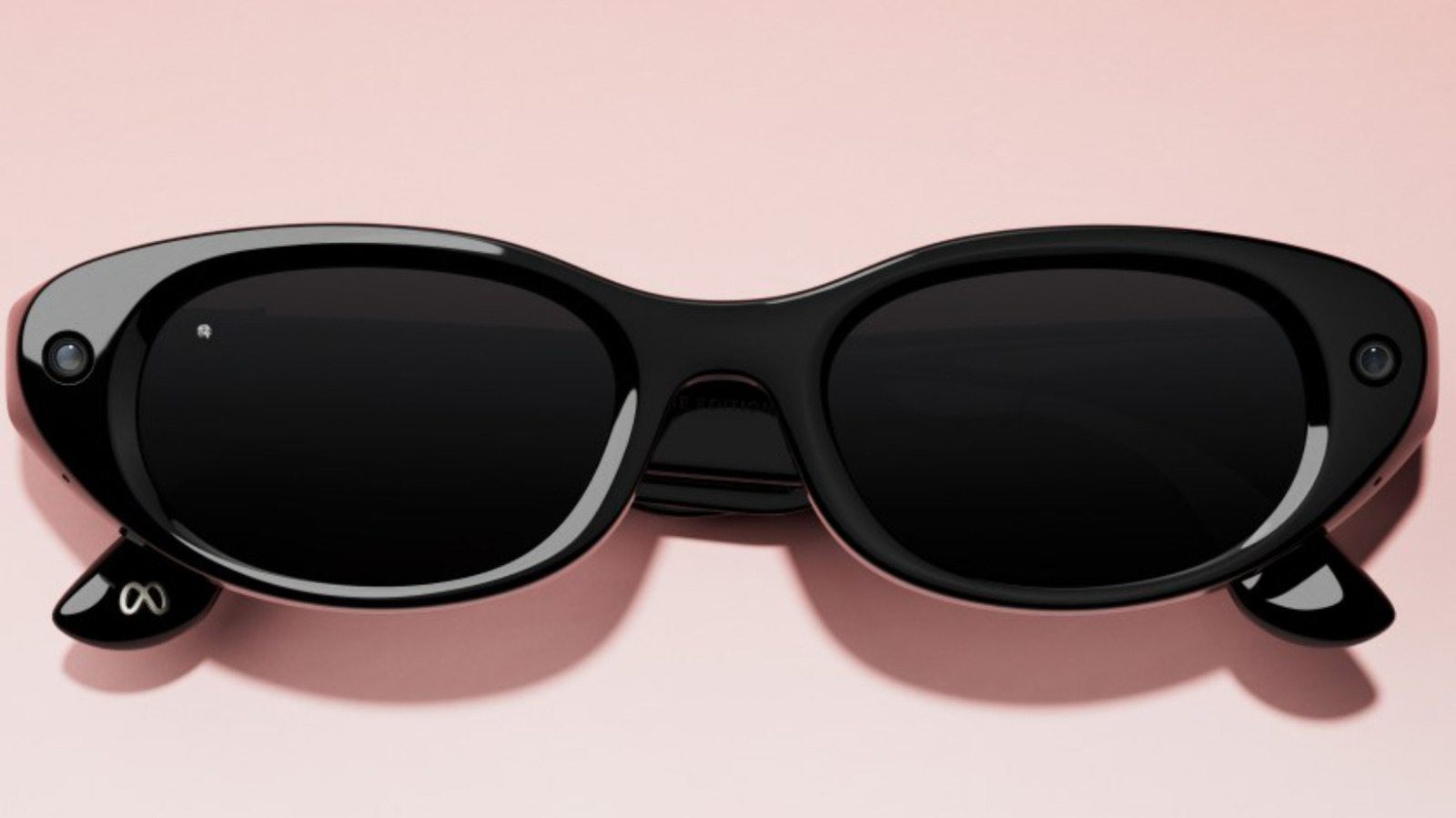
An activist group has installed fake advertisements for Meta's smart glasses at two London bus stops, part of a growing backlash against the devices over privacy and surveillance concerns. One poster uses an optical illusion referencing the film "They Live" so that, viewed from an angle, an image of Kylie Jenner wearing the glasses turns into a skeletal warning reading "Meta: We're always watching," while the slogan changes from "Meta AI glasses" to a critique of constant surveillance.
The campaign is the work of Everyone Hates Elon, a group known for guerrilla-style protests against tech billionaires, including previous subway ad takeovers in New York targeting Jeff Bezos. It follows an earlier, blunter fake ad in London this month reading "Hey Meta, start filming," and cites a Financial Times report claiming Meta is testing glasses designed to continuously record audio and take photos without a warning light. Meta did not respond to a request for comment, though it recently said it would disable cameras if recording LEDs are tampered with and pledged to keep making the devices "safer and more trustworthy."
In short
- Activists staged fake Meta Glasses ads at London bus stops
- Poster uses optical illusion to warn of surveillance
- Group cites report that new glasses may record constantly
Steelman: both sides, in good faith
The strongest fair case each way — we don't pick a winner.
The case for
The campaign draws attention to a legitimate public concern: glasses that can record in everyday settings may make people feel watched and reduce their control over when they are filmed. If reports of more continuous recording are accurate, provocative street advertising can prompt scrutiny of whether safeguards and public understanding are keeping pace with the technology.
The case against
Meta’s glasses may offer useful hands-free features, and the company says it will disable cameras if recording lights are tampered with while continuing to improve safety. Critics of the campaign could argue that a fake advert and an illusion present a contested interpretation as a warning, while the reported testing does not by itself establish how any product will work or what protections it will have.
Explained simply
Meta has developed smart glasses equipped with artificial intelligence capabilities that can record audio and video. The company is testing versions of these devices that can continuously record without displaying an obvious indicator to others when recording is underway, according to recent reports. This capability has raised privacy concerns among activists, researchers, and advocates worried about surveillance and consent.
Activism targeting technology companies and their founders has become more visible in recent years, with groups using unconventional protest methods to highlight what they see as concerning corporate practices. These campaigns often focus on issues including privacy, data collection, and the social impact of new technologies. Such activism typically emerges when groups feel that traditional channels for raising concerns are ineffective or ignored.
The debate surrounding smart glasses with recording capabilities reflects a broader tension in technology development. As devices become more capable of collecting and recording data, questions about who is being monitored, what is being captured, and who has access to that information have become central to public discussion. This reflects growing concerns about how quickly technology is advancing compared to the regulations and safeguards designed to protect people's rights.