AI is supercharging political ad wars. But viral doesn’t mean victorious
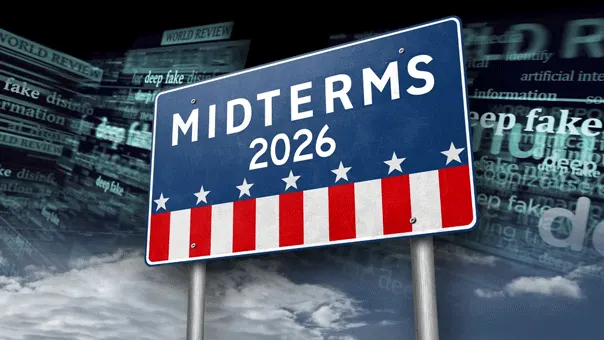
Artificial intelligence is dramatically lowering the cost of producing political advertisements, enabling campaigns to generate attack ads, memes and targeted messages in minutes or hours instead of days. This transformation is turning expensive creative work into affordable, disposable content that could allow candidates and outside groups to inundate voters with unprecedented volumes of messaging.
At least 164 AI-influenced political ads have been identified in the current election cycle, with only 29 campaigns disclosing their use of AI technology. Campaign consultants universally agree that campaigns not using AI are falling behind, yet the jury remains out on whether AI-generated content actually drives electoral success.
- AI slashes political ad production costs and timescales dramatically
- At least 164 AI-influenced ads identified in current election cycle
- Experts remain uncertain whether AI-generated ads actually help win elections
New here? Start with this
Political campaigns have traditionally spent significant time and money producing advertisements to reach voters. Artificial intelligence is now changing this by enabling campaigns to generate ads, memes and targeted messages in hours instead of days, and far more cheaply than before. This means campaigns can produce and distribute vastly more content, responding to events and targeting voters with unprecedented speed and volume.
The technology is spreading rapidly among campaigns, though the extent of its use is unclear because many organisations do not disclose it. Campaign consultants agree that campaigns without AI capabilities risk falling behind those with them. The combination of lower costs and faster production could allow campaigns to reach voters with personalised messages at unprecedented scale.
Despite its growing use, nobody yet knows whether AI-generated political content actually persuades voters or changes election outcomes. Viral ads and targeted messages might capture attention, but whether they influence voting behaviour remains an open question. This uncertainty persists even as the technology becomes standard in modern campaigning.
Both sides, in good faith
The strongest fair case each way — we don't pick a winner.
The case for
Advocates argue that AI represents a genuine competitive necessity that democratises political communication. The dramatic cost reduction and speed enable campaigns to respond rapidly to events, test multiple message variants cost-effectively, and personalise outreach at unprecedented scale—advantages that historically required massive budgets. The fact that campaign professionals universally report that non-users fall behind reflects real strategic reality, and in elections decided by thin margins, this efficiency provides measurable advantage. Importantly, lower barriers to professional-quality advertising mean smaller campaigns can finally compete effectively against well-funded opponents.
The case against
Critics counter that efficiency in ad production bears no proven relationship to electoral success, and the headline captures the core insight: viral content doesn't win votes. Voters remain relatively sophisticated, capable of dismissing message bombardment, and historical evidence suggests elections are decided by authentic candidate communication, genuine persuasion of persuadable voters, and ground organisation—not by volume of generated content. Ironically, cheap, mass-produced messaging may actually undermine credibility. The focus on ad quantity potentially distracts from the harder, more authentic work that genuinely moves elections.
AI Americas Elections Politics Technology Trending Weird & Viral World