Technology news and discussion on TalkFuse.
AI music generator Suno has been hacked, detailing the data scraping of millions of songs from YouTube, Deezer, and Genius
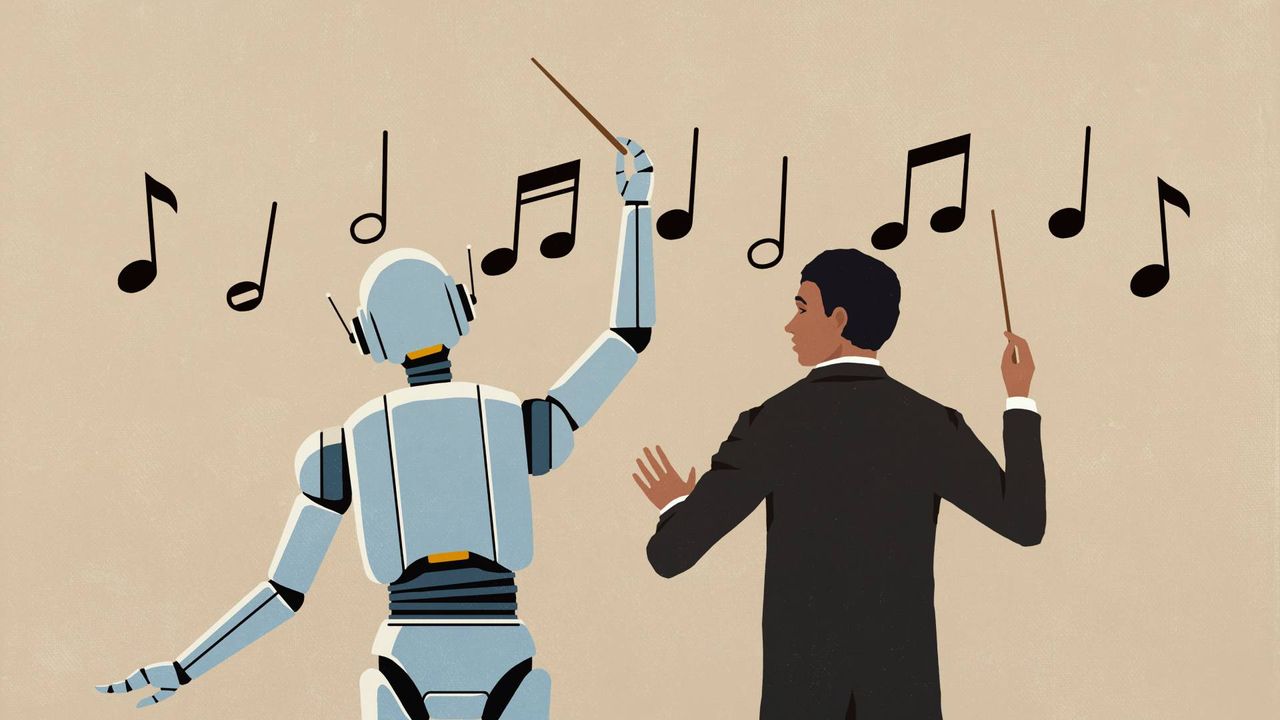
Suno, the AI music generation company, has reportedly been hacked, with the breach exposing internal details about how the firm sourced training data for its models. The leaked material allegedly shows that Suno scraped millions of songs from platforms including YouTube, Deezer, and Genius, reigniting concerns over how AI music generators obtain the copyrighted material used to train them.
The revelations add to ongoing scrutiny of AI companies' data practices, as music labels, publishers, and lyric database owners have increasingly pushed back against unauthorised use of their content to train generative models. Details of the hack, including the scale and specifics of the scraped material, point to a broader pattern of AI firms harvesting web content without clear licensing arrangements, a practice that continues to draw legal and industry backlash.
In short
- Suno, an AI music generator, has reportedly been hacked
- Leak allegedly reveals scraping of songs from YouTube, Deezer, Genius
- Adds to concerns over unlicensed data use in AI music training
Steelman: both sides, in good faith
The strongest fair case each way — we don't pick a winner.
The case for
The development of AI music technology requires access to large-scale, diverse training data, and arguments for restricting such access underestimate both the infeasibility of securing permission from millions of copyright holders and the credible legal case that training data use constitutes transformative fair use. Technological progress that benefits the broader public, including eventually creators themselves through new tools and opportunities, should not be halted by licensing obstacles that would require impractical negotiation with countless rights-holders. The principle that publicly available content can be analysed and learnt from by machine learning systems is consistent with how technology has traditionally operated.
The case against
Copyright holders and creators invested time and talent in their work with reasonable expectation of controlling how it is used and being compensated for its use. When AI companies scrape millions of songs without authorisation or payment, they deprive artists of both control and compensation whilst creating competing products from that same material. Framing this as an unavoidable technical problem ignores that companies have resources to pursue licensing agreements, and the fact that fair use law is unsettled should be no excuse for unilateral action that enriches AI companies whilst undermining the creative economy that produced the original works.
Explained simply
Suno is a company that has created artificial intelligence software capable of generating music. These AI music generators work by learning patterns from vast amounts of existing music, which allows them to create new songs when given prompts or instructions from users.
The music industry has raised significant concerns about how AI companies obtain the large amounts of training data they need. Record labels, music publishers, and artists argue that many AI firms have taken copyrighted songs from the internet without permission or proper licensing, using creative work to build their systems without compensating the original creators.
This situation reflects a broader tension between technological progress and copyright protection. The legal questions about what companies can and cannot do with published creative works remain largely unresolved, making cases involving AI systems and music copyright particularly contentious as the technology becomes more widely used.
AI Americas Cybersecurity Entertainment Music Technology Trending Weird & Viral