AI was supposed to destroy jobs. Where’s the carnage?
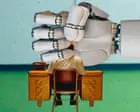
Predictions that artificial intelligence would rapidly eliminate large numbers of jobs have not yet been borne out, despite high-profile warnings from technology executives and companies linking some layoffs to AI. Economists say the technology is instead changing how work is organised and what employers expect from staff, in a pattern more akin to earlier, slower technological revolutions.
A Stanford analysis found unemployment among the fifth of workers most exposed to AI rose 0.77 percentage points since 2022, slightly less than the 0.85-point rise among the least exposed. Recent graduates’ unemployment reached 5.6%, against a national average of 4.2%, although researchers say remote work and the reversal of pandemic-era overhiring may also be factors. About 74% of employers now view AI skills as a major advantage or requirement, while economists expect longer-term effects to include fewer hires for automatable tasks and potentially more contract work.
- AI has not yet caused the predicted mass job losses.
- Employers increasingly expect applicants to have practical AI skills.
- Economists expect gradual changes to jobs and hiring.
AI Art Business Celebrity Companies Culture Economy Entertainment Technology