
Al-altered images on birdwatching forums putting research at risk
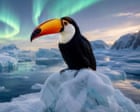
Artificial intelligence-generated and artificially-enhanced photographs are increasingly appearing on birdwatching and wildlife documentation forums, threatening the scientific credibility of citizen science platforms such as iNaturalist and the Macaulay Library. Researchers writing in the journal Nature have flagged hundreds of manipulated images already discovered on these databases, which are routinely used by scientists to monitor how animal species distribute across geographical regions and respond to environmental changes. The full extent of the problem remains unknown, as many altered photographs likely escape detection.
The primary concern is not overtly fake images but subtle AI modifications made by photographers attempting to improve their work. When users ask artificial intelligence systems to enhance photographs by removing obstructing branches or adjusting composition, the algorithms can inadvertently introduce anatomical features from entirely different bird species into the final image. Researchers point to a false record of a red-winged blackbird in central Brazil—an area where the species has never naturally occurred—which was revealed to be an epaulet oriole that had undergone AI enhancement, demonstrating how well-intentioned digital edits can produce misleading scientific data.
- AI-generated and AI-enhanced photographs are contaminating wildlife databases that scientists use to track species populations and ranges
- Researchers warn that AI editing can unknowingly merge features from different bird species into images, creating false sightings like a red-winged blackbird falsely recorded in Brazil
- The true scale of manipulation remains unknown; most altered images go undetected on platforms like iNaturalist hosting 610+ million photographs