Lawsuit revives scrutiny of Cornell assault allegations and disputed messages
A woman identified as Jane Doe accused seven Cornell University fraternity members of sexually assaulting her at an off-campus house in 2024, allegations they deny. Her civil lawsuit has renewed scrutiny of the case, and authorities have reopened their investigation and appointed a special prosecutor after previously declining to bring charges for lack of evidence.
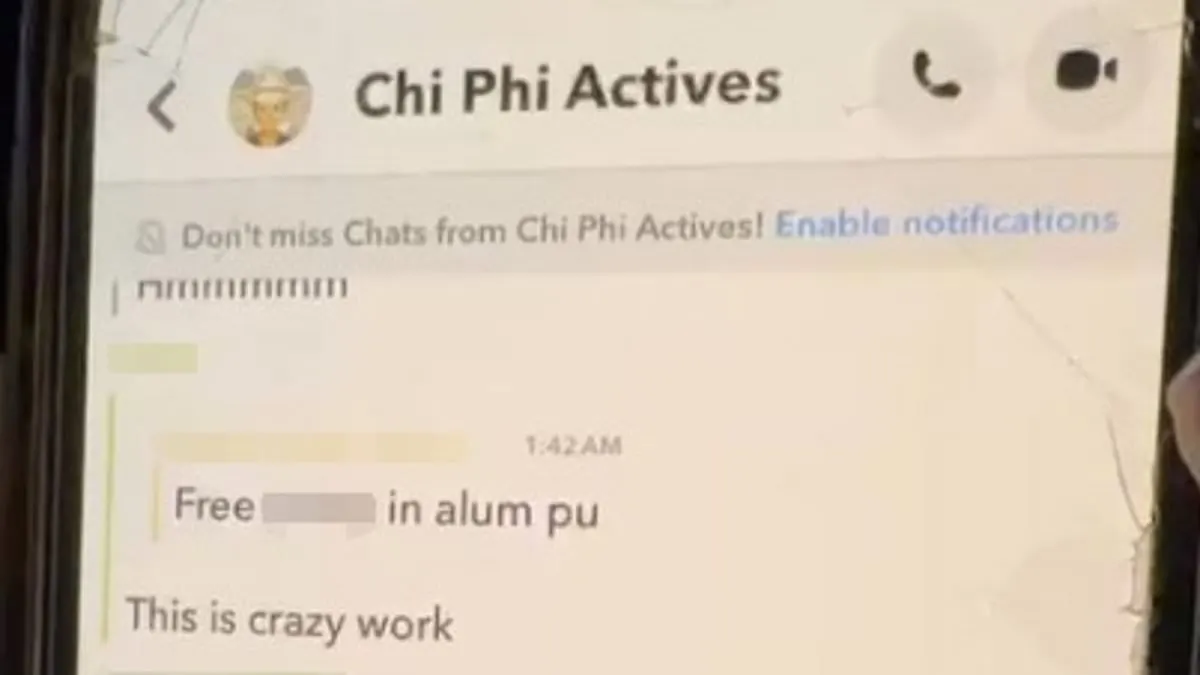
The article recounts messages and calls cited in legal and university records. It says Doe alleged she was pressured to take drugs and that messages invited others into the room; a text the next day reportedly had one man saying he and another felt they should have stopped events from escalating. Doe later told a man she had invited that the incident was damaging her reputation, while also texting that the sexual activity was not illegal and that she had enjoyed being with him and another man. The article describes conflicting accounts and does not establish what happened.
- Seven Cornell fraternity members deny Doe’s assault allegations.
- Prosecutors initially declined charges, citing insufficient evidence.
- Authorities have reopened the investigation after Doe’s lawsuit.
New here? Start with this
A woman accused seven members of a Cornell University fraternity of sexually assaulting her at an off-campus house in 2024. The men deny the allegations. The central dispute concerns what actually occurred that night.
The case turns on conflicting accounts from the woman and the fraternity members about events and consent. Messages sent before and after the incident are central to the dispute, as different parties interpret them differently. The woman's account of what happened differs substantially from the men's account of events.
Prosecutors initially reviewed the allegations and decided against bringing criminal charges, citing insufficient evidence. The woman has now filed a civil lawsuit, which operates under different legal standards than criminal cases. This legal action has renewed scrutiny of the original allegations and the circumstances involved.
Both sides, in good faith
The strongest fair case each way — we don't pick a winner.
The case for
The evidence warrants serious investigation and concern. The accuser's allegations of being pressured to take drugs raise fundamental consent questions, whilst messages from the accused expressing that they should have stopped the escalation suggest awareness of problematic conduct. The reopening of investigation and appointment of a special prosecutor indicate officials recognised legitimate grounds for further scrutiny. Group sexual situations involving intoxication inherently pose power imbalances that merit careful legal examination, regardless of contradictory statements the accuser may have made subsequently, which could reflect trauma, reputation concerns, or other pressures to minimise what occurred.
The case against
The accuser's own subsequent messages substantially complicate the assault narrative—she texted that the sexual activity was not illegal and that she enjoyed being with the men involved. Authorities initially declined to prosecute, a consequential judgment reflecting genuinely insufficient evidence to establish criminal wrongdoing. The article notes conflicting accounts throughout, meaning the facts remain earnestly disputed rather than established. Messages are subject to multiple interpretations and do not clearly demonstrate guilt. Proceeding with legal action on ambiguous evidence risks unfairly damaging the accused when fundamental questions about what actually occurred remain genuinely unresolved.
Read the full article at the source →
Originally published by Daily Mail as “All the most shocking Cornell 7 texts and phone calls, as Jane Doe and students she sued accuse one another of lying”.