Always remember how Macquarie built its millionaires on outrageous tolls and charges | John Quiggin
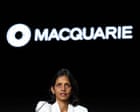
Macquarie Group's outgoing chief executive, Shemara Wikramanayake, is retiring after nearly 40 years with shares worth hundreds of millions of dollars, having doubled the company's profit during her tenure. Economist John Quiggin argues that the "millionaires' factory's" wealth was built on a series of privatised infrastructure deals that enriched the firm and its investors while leaving the public with expensive or poor-quality services, a pattern he says deserves scrutiny even as shareholders celebrate having tripled their money over eight years.
Quiggin points to Thames Water, privatised under Thatcher and bought by a Macquarie-led consortium in 2006, as the starkest example: after extracting billions in dividends and loading it with debt, Macquarie exited in 2017, leaving a utility now so troubled that the UK government is weighing renationalisation while roughly 23 million people face a hosepipe ban. He also cites Sydney Airport, where a Macquarie-led takeover led to steep fee rises criticised by the ACCC as ineffectively regulated, and Macquarie's pioneering role in private toll roads, including Sydney's "poorly-functioning" network and Ontario's Highway 407, and draws a parallel with CSL's privatisation, which boosted profits from blood-plasma products while scaling back less lucrative public-health research.
- Macquarie's long-serving CEO retires with shares worth hundreds of millions.
- Quiggin says her wealth stemmed from costly privatised deals like Thames Water.
- Sydney Airport, toll roads and CSL cited as similar public-cost, private-gain examples.