Amazon Refreshes Kindle Lineup with Slimmer Designs, Physical Page Buttons, and Color Options
Developing story first seen 46 minutes ago
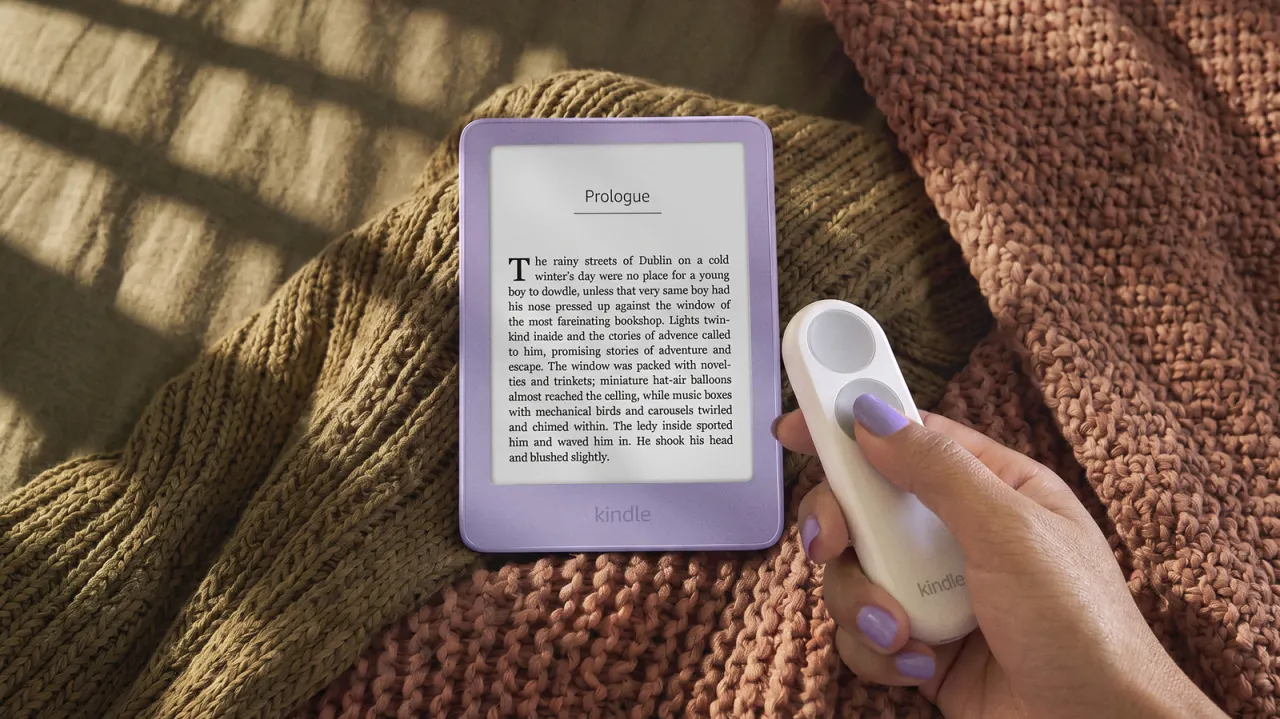
Amazon has refreshed its Kindle, Paperwhite and Colorsoft e-readers with slimmer designs, flush-front displays and new colour options. The updates bring changes to screen design, storage and battery life, while physical page-turning is available on some Signature Edition models.
The basic Kindle is 6.8mm thin, weighs 140g, has 16GB of storage and is advertised as opening books 30% faster than its predecessor; it starts at $150 and offers up to six weeks of battery life. The Paperwhite starts at $200, has 16GB and lasts up to 12 weeks, while Colorsoft models start at $290. Signature Editions add aluminium housing and 32GB of storage, with features including double-tap page turning on select models; Kids versions start at $180.
- Kindle models get slimmer designs and new colours.
- The basic Kindle is 6.8mm thin and starts at $150.
- Select Signature Editions offer double-tap page turning.
New here? Start with this
Kindle is Amazon's brand of electronic reading device. Rather than using a traditional backlit screen like a smartphone, these devices employ e-ink technology, which displays text that resembles printed paper and causes less eye strain during long reading sessions. They have become popular alternatives to physical books, allowing readers to carry entire libraries in a lightweight, pocket-sized package.
Amazon periodically updates its Kindle models to incorporate technological advances and remain competitive in the e-reader market. Features that matter to consumers include how light and thin the devices are, display clarity, battery life, and whether readers can highlight passages or add notes. Refreshing a product line helps keep existing customers interested and attracts new readers who might otherwise stick with physical books or use reading apps on their phones and tablets.
The e-reader market has long been dominated by Amazon since it introduced the first Kindle in 2007. Whilst e-readers compete with physical books and reading apps on tablets and smartphones, they occupy a distinct position as devices designed purely for reading, without notifications or other applications that might distract from the reading experience.
Coverage
- The Verge — Amazon refreshes Kindle range with colour options and page-turn button case
- Engadget — Amazon’s new Kindle accessories restore physical page-turn buttons to ereaders
- Engadget — Amazon refreshes Kindle range with slimmer designs and colour options