Ancient Egyptian settlement discovered from era that fueled Exodus debate
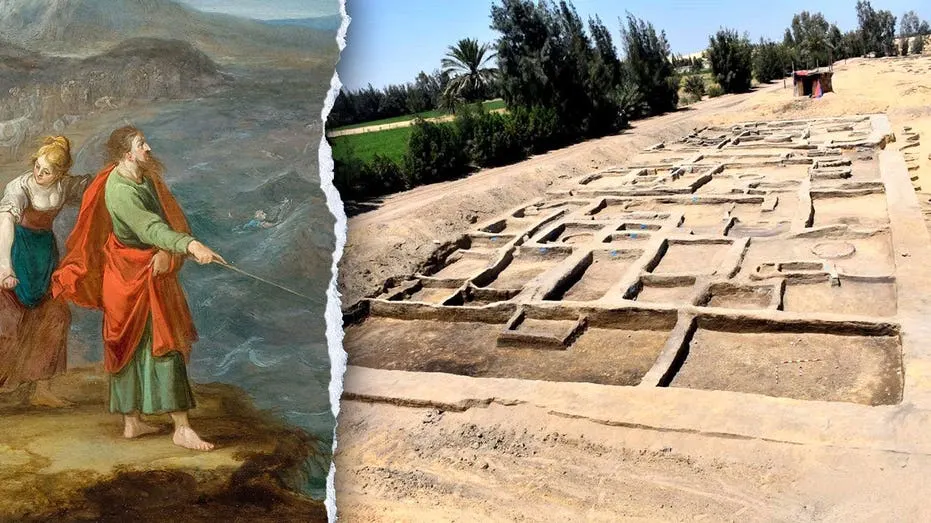
Archaeologists in Egypt have discovered an ancient settlement dating to the Second Intermediate Period, an era central to long-running scholarly debates over the historical backdrop of the biblical Exodus. The find was made at the Tell el-Koua site in the Wadi Tumilat region, a corridor historically linking the eastern Nile Delta with Egypt's eastern frontier, and adds fresh evidence to a period associated with the Hyksos, a foreign dynasty that once ruled parts of Egypt.
Egypt's Ministry of Tourism and Antiquities announced the discovery in late June, though full details of the finds at the site have yet to be released. The Second Intermediate Period, roughly the 17th to 16th centuries BC, is frequently cited by researchers examining possible historical parallels to the Exodus narrative, making Wadi Tumilat's strategic location between the Delta and Sinai particularly significant for ongoing archaeological and biblical scholarship.
- Egypt reveals ancient settlement at Tell el-Koua in Wadi Tumilat
- Site dates to Second Intermediate Period, tied to Hyksos rule
- Era is frequently linked to debates over the biblical Exodus