Andy Burnham promises to ‘defend Britain’s national interest’ in BBC interview
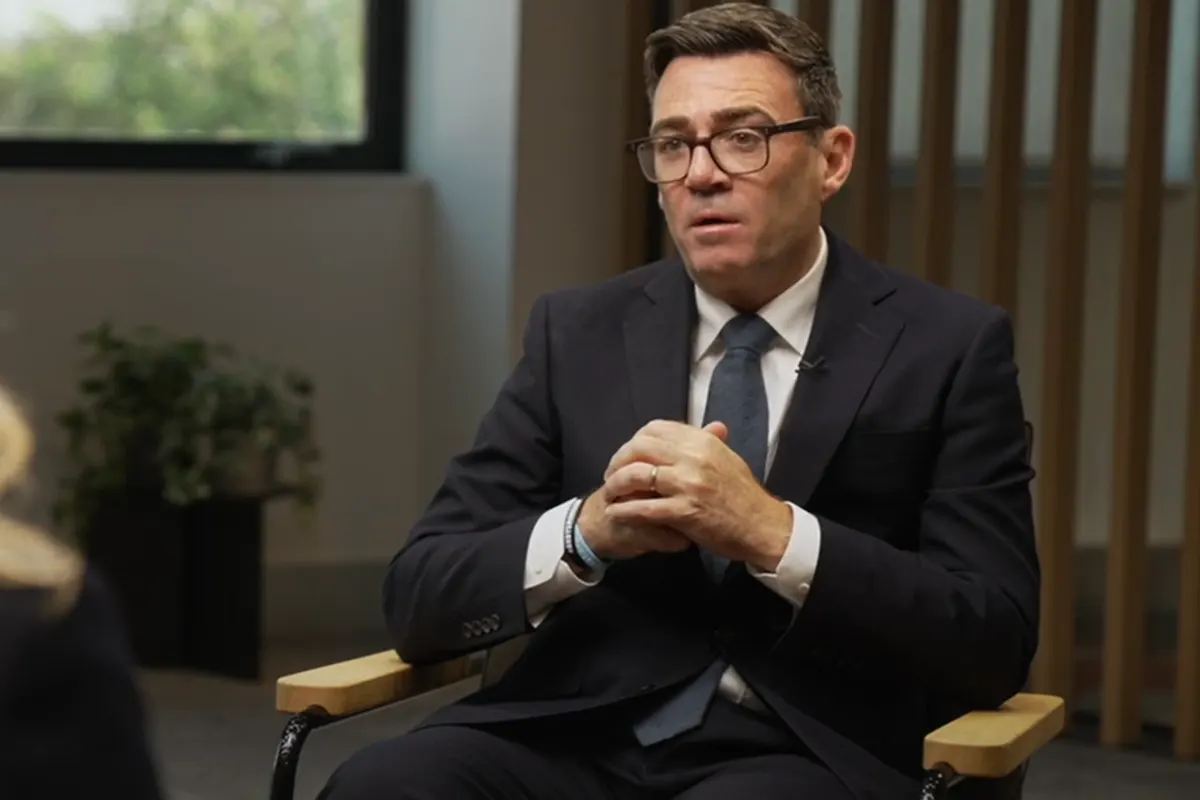
New prime minister Andy Burnham used an interview with the BBC's Laura Kuenssberg to strike a defiant tone on foreign policy, saying he would stand up to US president Donald Trump if it served Britain's national interest, while also pledging to plug a substantial shortfall in defence spending. The remarks come as Burnham faces his first major test since replacing Keir Starmer last week, and follow criticism that he had avoided big media appearances since taking office.
The interview addressed a £13bn shortfall in the Defence Investment Plan, which prompted John Healey's resignation before Burnham brought him back as chancellor, plus a further £4.7bn black hole subsequently uncovered. Burnham said fully funding the defence plan would be a priority ahead of this year's budget, alongside other manifesto commitments such as removing VAT from energy bills, cutting business rates for pubs and clubs, and capping bus fares at £2. He ruled out calling an early election to seek a mandate for raising income tax, VAT or national insurance, and described a single phone call with Trump as "a good exchange" while insisting he would voice differing views where necessary to protect Britain's interests.
- Burnham vows to challenge Trump if it suits Britain's interests
- Pledges to fully fund defence plan's multibillion-pound shortfall
- Rules out early election to raise income tax, VAT or NI
Both sides, in good faith
The strongest fair case each way — we don't pick a winner.
The case for
Supporters of Burnham's approach argue that a British prime minister should not be afraid to disagree with even the closest ally when national interest demands it, and that his willingness to voice differences with Trump shows appropriate independence rather than hostility. They would also welcome his pledge to fully fund the defence shortfall and honour manifesto commitments such as cutting VAT on energy and capping bus fares, seeing this as evidence that a change of leadership need not mean abandoning promises made to voters, and that avoiding an early election over tax rises shows respect for the mandate already given at the last general election.
The case against
Critics would counter that talk of defying Trump risks needless friction with Britain's most important security and trading partner at a moment when the relationship needs careful management, and that describing a single phone call as 'a good exchange' while simultaneously talking tough sends a mixed and potentially confusing signal. They might also question the fiscal credibility of promising to close a £17.7bn defence funding gap while also delivering costly manifesto pledges without new taxes or a fresh electoral mandate, arguing this looks like an attempt to have things both ways rather than a coherent, honestly costed plan.