Anger, shock and grief – questions remain in the wake of the Berlin Pride attack
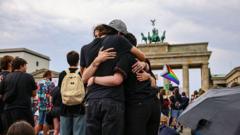
Germany is grappling with grief and mounting anger following Saturday night's attack at Berlin Pride, which killed a Polish woman and injured at least 29 others. The main suspect, 21-year-old German citizen Abdul Ballout, was shot dead by police on Sunday, and attention has since turned to why he was free despite a documented history of criminal offences, radicalisation and links to Islamist extremism.
Prosecutors say Ballout attempted to join Islamic State's fighters in Syria in 2025, travelling via Turkey to Lebanon, where he was arrested and briefly jailed before returning to Germany and being detained at Berlin airport. In May, a Berlin court gave him a suspended juvenile sentence of one year and ten months for preparing a serious act of violence, releasing him under probation supervision while prosecutors appealed for a tougher penalty. Interior Minister Alexander Dobrindt called the suspended sentence "incomprehensible" given the danger involved, while Berlin's mayor and the far-right AfD have criticised the judiciary's handling of the case, and some experts are now calling for stricter terrorism laws and reform of the juvenile justice system.
- Berlin Pride attack killed one, injured at least 29 others
- Suspect Abdul Ballout shot dead by police on Sunday
- Anger grows over why known extremist was free on probation