Technology news and discussion on TalkFuse.
Anime’s top creators explain why AI can’t replace the human touch
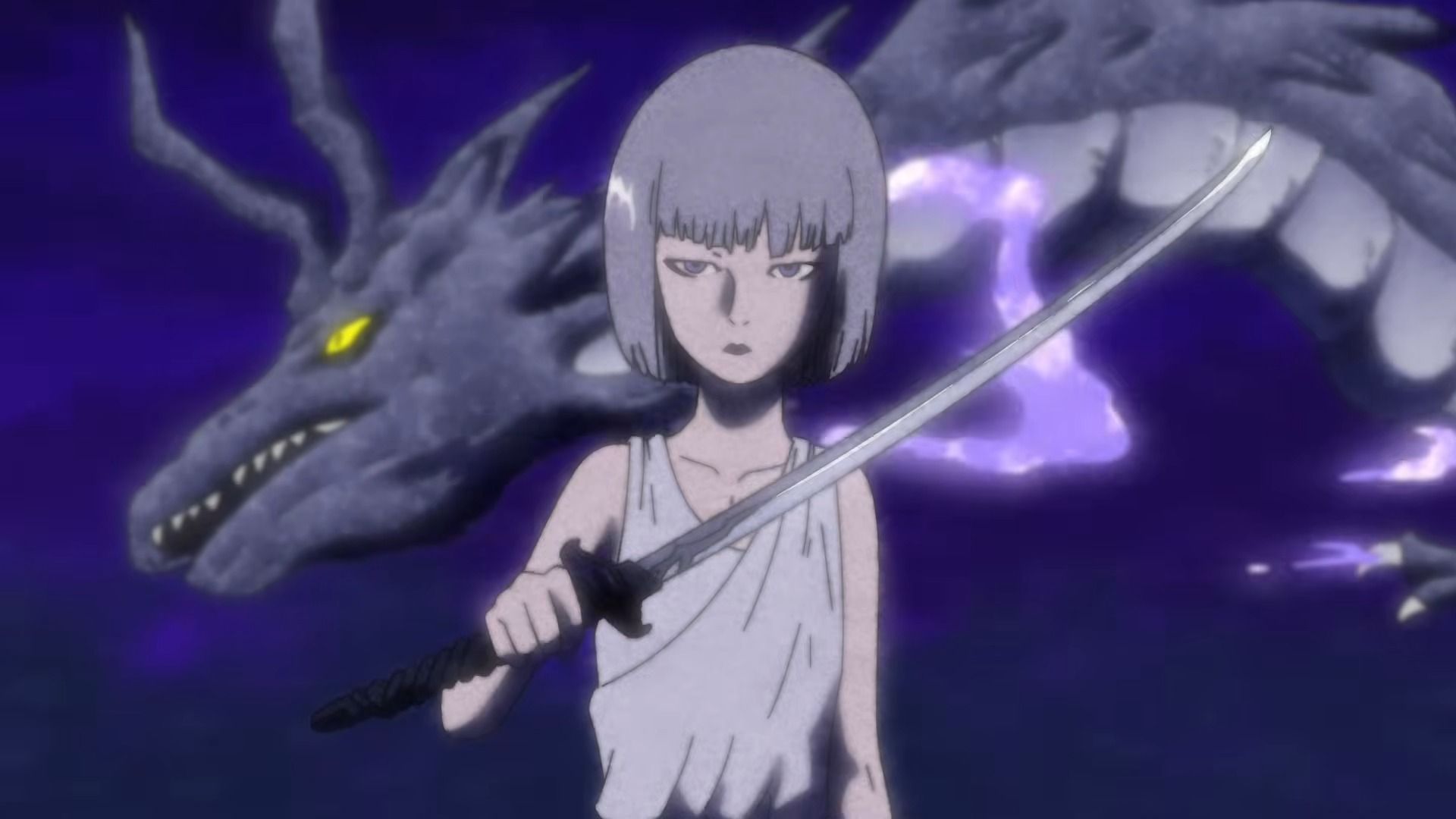
At this year's Anime Expo in Los Angeles, Polygon found that an unexpected theme emerging from interviews with leading anime creators was a renewed appreciation for the human hand in animation, particularly amid the rise of AI-generated art. Speaking to figures including artist Yoshitaka Amano and the Science Saru team behind The Ghost in the Shell, the outlet reports that these creators repeatedly arrived at the same conclusion: audiences feel something uniquely powerful when animation is drawn by a human being. The discussion matters because it reframes the industry's debate away from paper versus tablets and towards whether viewers can still sense the artist and artistry behind a work.
The article notes that anime never truly stopped being hand-drawn, with major productions such as Frieren, Dandadan and Cyberpunk: Edgerunners 2 still animated frame by frame, albeit digitally with a stylus rather than a pencil. It cites classics like Akira, the 1995 Ghost in the Shell and Princess Mononoke — Hayao Miyazaki's 1997 film, which reportedly comprised over 144,000 frames, of which he personally redrew an estimated 80,000 — as examples of the tactile quality of human craftsmanship. Amano argued that "AI cannot create zero to one" and is "only a tool", framing imperfections as an essential extension of humanity, while executive animation director Shuhei Handa said his team used traditional hand-drawn techniques specifically to emphasise the human body in The Ghost in the Shell.
In short
- Anime creators at Anime Expo championed the human touch over AI art.
- Amano: AI is only a tool; only humans create originals.
- Ghost in the Shell team used hand-drawn techniques to stress the human body.
Steelman: both sides, in good faith
The strongest fair case each way — we don't pick a winner.
The case for
Hand-drawn animation carries an irreplaceable human presence that audiences viscerally respond to. When artists argue that AI 'cannot create zero to one,' they identify something fundamental: human artistry emerges from consciousness, intention and lived experience in ways algorithms cannot emulate. The imperfections distinguishing human work are not defects but evidence of authentic presence. Audiences sense the artist's hand behind every frame, a connection conveying something essential about being human.
The case against
Pragmatism suggests that dismissing AI tools based on preservation sentiment risks missing genuine benefits. AI could substantially enhance production by automating labour-intensive technical work, freeing human creators to focus on visionary choices that truly distinguish exceptional work. Rather than accepting zero-sum competition, the industry might explore how AI could democratise animation access and address resource constraints whilst keeping human creativity central to the process.
Explained simply
Anime refers to Japanese animated television shows and films, traditionally created by hand-drawn illustration. In recent years, artificial intelligence-generated images have become more sophisticated, prompting questions across creative industries about whether AI tools might eventually replace human artists. The animation sector is grappling with this question, particularly given how labour-intensive hand-drawn animation remains.
Leading anime creators have begun emphasising that audiences experience something distinctive when watching human-drawn animation that they do not get from AI-generated work. This is not because modern anime cannot be made digitally — most productions today use digital tablets rather than traditional pencil and paper — but because the human artist's choices, imperfections and personal style leave an emotional imprint on the finished work. They argue that AI functions as a tool rather than a true replacement for artistic vision.
Long-running anime productions demonstrate the continued importance of human craftsmanship in the medium. Films such as Akira, Ghost in the Shell and Princess Mononoke remain celebrated partly because of the distinctive human artistry evident in every frame. This discussion reflects a broader conversation about what audiences value in art when machines can now generate images quickly, raising questions about whether efficiency and authenticity must be at odds.
AI Art Culture Entertainment Music Paranormal Technology Weird & Viral