Anthony Albanese goes against his party on telehealth change: ‘That’s my position’
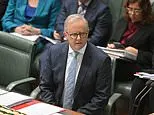
Australian Prime Minister Anthony Albanese has publicly diverged from his own Labor Party after it backed a significant change relating to telehealth and voluntary assisted dying, stating firmly that "That's my position" despite the party's stance. The break highlights internal tension within Labor on a sensitive end-of-life issue, with Albanese choosing to distinguish his personal view from the party's collective position rather than fall in line, a notable moment given his role as party leader.
The dispute centres on the intersection of telehealth access and voluntary assisted dying arrangements in Australia, an area of ongoing policy and legal sensitivity. While the article does not detail the full technical scope of the proposed change, it frames Albanese's stance as a deliberate departure from Labor's backing of the measure, underscoring the divisive nature of assisted dying policy even within governing parties.
- Albanese breaks from Labor Party on telehealth/assisted dying policy
- He insists "That's my position" despite party's stance
- Highlights internal Labor division over assisted dying rules
Both sides, in good faith
The strongest fair case each way — we don't pick a winner.
The case for
Supporters of loosening restrictions on telehealth argue that remote consultations have dramatically improved access to healthcare for people in rural and regional areas, those with mobility issues, and patients who cannot easily take time off work for an in-person appointment. They contend that requiring stricter conditions, such as mandating an existing in-person relationship with a doctor, would strip away a service that has proven its worth during and after the pandemic, and that the Prime Minister is right to champion the practical benefits felt by ordinary patients over rigid administrative rules. For them, this is fundamentally about equity of access to Medicare-funded care regardless of postcode or circumstance.
The case against
Critics within the party who favour tighter rules argue that unrestricted telehealth risks undermining continuity of care, enabling low-quality or transactional consultations, and exposing Medicare to inappropriate use, including by operators running high-volume remote prescribing services with minimal patient assessment. They believe safeguards, such as requiring an established doctor-patient relationship or periodic in-person review, protect patient safety and the long-term sustainability of the health budget, and that collective party processes exist precisely to guard against decisions being made on individual instinct rather than clinical and fiscal evidence. For them, the Prime Minister overriding that process, however well-intentioned, sets a difficult precedent for policymaking discipline.