‘Antifa mob’ smashes up Portland fine dining restaurant after staff served white supremacists for brunch
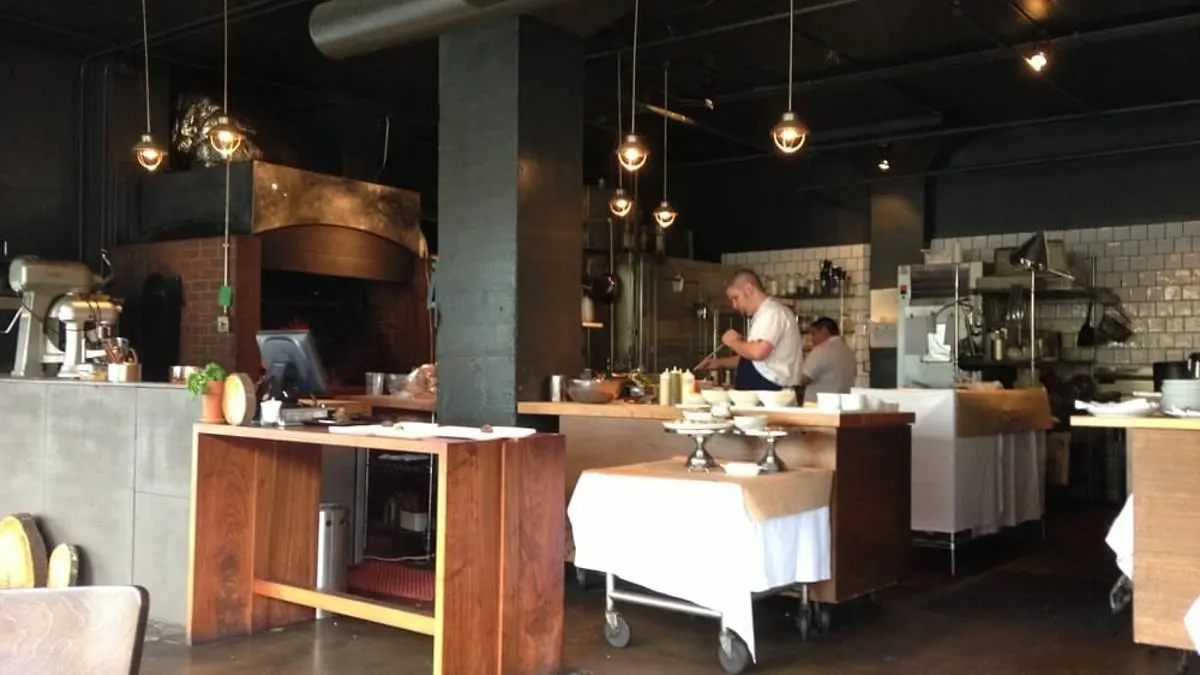
Portland police responded twice on Sunday after protesters confronted diners and staff at Clarklewis, an LGBTQ+-owned restaurant. A group of demonstrators returned about 20 minutes after officers first left and broke at least one window; officials have not identified suspects or confirmed who caused the damage.
The private brunch group was reportedly linked by activists to white nationalist figures, including American Renaissance editor Jared Taylor, but the flyer circulating online did not name the venue. Owner Joe Rogers said staff did not know the group’s alleged affiliations when it booked under a generic name. One employee quit, a wedding event was cancelled, and the restaurant closed for the evening; the brunch group later reimbursed it $2,000, which the restaurant plans to donate locally.
- Protesters broke a window at Clarklewis in Portland.
- Police have not identified those responsible.
- The restaurant plans to donate the group’s $2,000 reimbursement.
New here? Start with this
Clarklewis is an LGBTQ+-owned fine dining restaurant in Portland that hosted a private brunch on Sunday. The group attending was later identified by activists as including white nationalist figures, though the restaurant staff were unaware of this when accepting the booking. After confrontations between protesters and diners, police responded; demonstrators returned about 20 minutes later and broke at least one window.
The restaurant did not know the group's alleged political affiliations when they booked under a generic name, and the private event was not publicly advertised. The incident had immediate consequences: one employee quit, an unrelated wedding event was cancelled, and the restaurant closed for the evening. This placed the restaurant at the centre of a political confrontation it had not anticipated.
The brunch group later reimbursed the restaurant $2,000, which the restaurant plans to donate locally. The situation illustrates tensions that can arise when private gatherings become the focus of political activism, and raises questions about protest tactics and the impact on business operations.
Both sides, in good faith
The strongest fair case each way — we don't pick a winner.
The case for
The strongest case for the protesters' position emphasises that white supremacist organising represents a direct threat to vulnerable communities, particularly LGBTQ+ individuals who owned this restaurant. Supporters would argue that allowing such groups to meet and coordinate normalises their ideology and enables recruitment, making disruptive action a form of community self-defence. They would contend that property damage is a proportionate response to preventing an organisational meeting of a movement with a documented history of violence, and that visible consequences send a clear message that extremism will not organise unopposed.
The case against
The strongest case against the action centres on the restaurant's innocent role, as it unknowingly served the group under a generic name and should not be punished for that. Defenders of this position argue that vigilante property destruction, regardless of the target's ideology, undermines the rule of law and democratic accountability. They contend that the restaurant owner is themselves LGBTQ+ and not complicit, and that breaking windows is disproportionate to people eating brunch. The broader principle holds that even objectionable speech and assembly should be contested through legal channels and counter-speech, not mob violence, since permitting direct action against suspected adversaries creates a dangerous precedent and climate of fear.