Technology news and discussion on TalkFuse.
ANU accused of ‘hysterical’ response to students using AI to cheat as unis scramble to ‘secure’ assessments
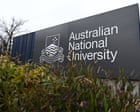
An academic at the Australian National University has publicly accused the institution of a "hysterical" response to student use of artificial intelligence, as universities across Australia rush to overhaul assessments in an effort to preserve academic integrity. The dispute comes amid warnings from colleagues that failing to restore rigour in education risks shifting the country's intellectual capability overseas to AI firms based in California and China.
ANU has circulated a consultation paper proposing three options, including labelling assessments as "secure" (free from AI cheating risk) or "insecure", or requiring students to declare where AI was used. One academic welcomed the move but described the sector-wide response as "panicked" and under-resourced, while another said consultation had been inadequate and could reverse progress on inclusive assessment for students with disabilities or caring duties, calling it a "reactionary" and "hysterical" reaction taken with little notice before semester two begins. ANU said only interim guidance had been issued, that no changes were finalised, and that fuller consultation involving students, staff and accessibility experts would begin in August; separately, the 2025 Australian Digital Inclusion Index found 78.9% of secondary and tertiary students were already using generative AI.
In short
- ANU academic calls university's AI-cheating response "hysterical" and rushed
- ANU proposes "secure" v "insecure" assessment categories to curb AI cheating
- 78.9% of students already use generative AI, study finds
Steelman: both sides, in good faith
The strongest fair case each way — we don't pick a winner.
The case for
Universities must act decisively to preserve academic integrity and degree credibility. With sophisticated AI tools readily accessible, traditional assessments risk being completed by machines rather than demonstrating genuine student learning, fundamentally undermining qualification value and institutional reputation. Creating secure assessments is therefore an urgent priority to maintain educational standards and ensure Australian intellectual capital retains value globally.
The case against
A rushed response without adequate consultation risks harming vulnerable students who depend on flexible assessment practices. Given that over 78% of students already use AI, attempting to prevent it through restrictive measures is both impractical and misguided; universities should develop thoughtful policies accommodating AI's reality whilst maintaining integrity. Emergency measures implemented with little notice threaten important progress on inclusive education and should not precede proper engagement with disabled students and accessibility experts.
Explained simply
Australian universities are attempting to prevent students from using artificial intelligence to cheat on assignments and exams. This challenge has prompted institutions like the Australian National University to reconsider how they conduct assessments and maintain academic standards.
Academics at these universities hold different views on how quickly to respond to the issue. Some worry that without swift action, AI cheating will weaken education quality and potentially damage Australia's intellectual competitiveness, whilst others have concerns about whether rushed responses might inadvertently harm students with disabilities or caring duties.
This debate reflects wider questions about how universities should operate when powerful AI tools are readily available to students. The issue matters because institutions must work out how to prevent cheating whilst maintaining inclusive assessment practices.