Apple acknowledges AT&T network bug on iPhone 18 Pro Max
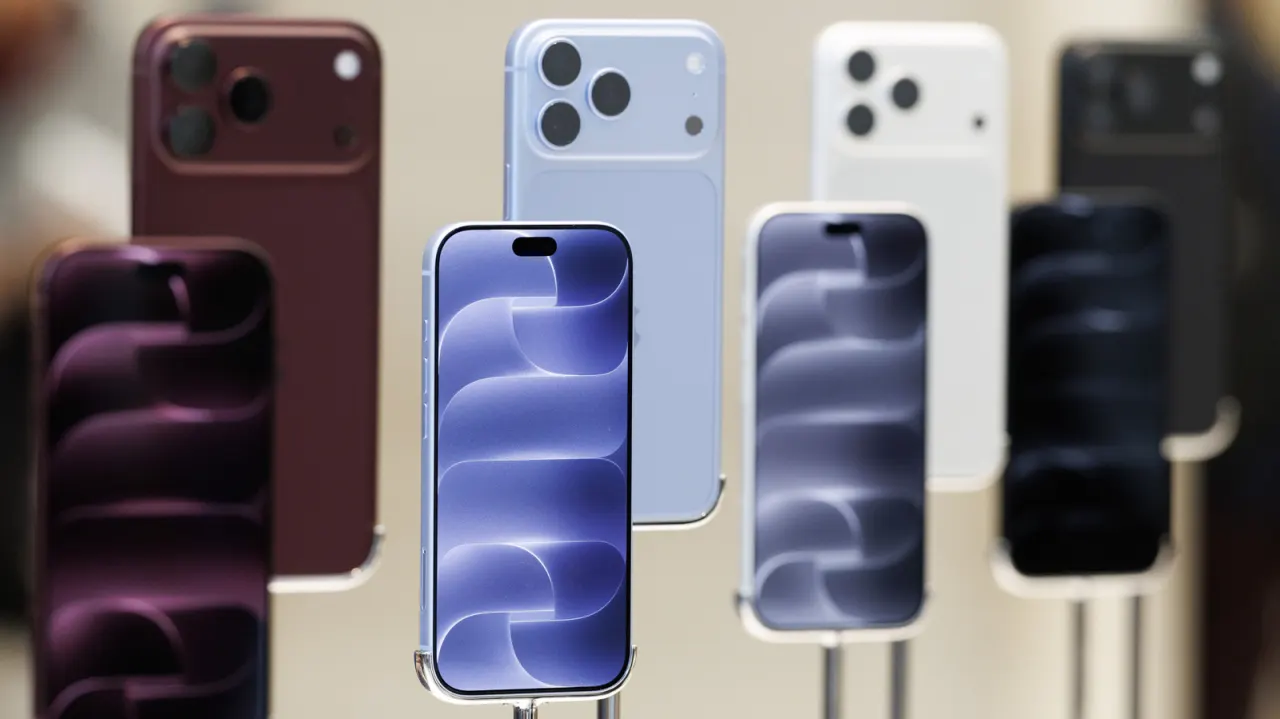
Apple has acknowledged a network connectivity bug affecting iPhone 18 Pro Max users on AT&T in the United States. The issue causes affected devices to lose cellular signal entirely, displaying "SOS" in the status bar and preventing calls, text messages and mobile data. This is significant because it renders the devices essentially unusable for communication.
Apple states the problem affects only a "small number" of users and has released iOS 27.0.1 to prevent it from occurring in future instances. However, the update cannot fix devices already affected by the bug; those users must obtain a hardware replacement through Apple or AT&T. The US model of iPhone 18 Pro Max uniquely uses a Qualcomm modem rather than Apple's proprietary chip, though the connection between this and the bug remains unclear.
- Apple confirms iPhone 18 Pro Max network bug affecting AT&T users
- iOS 27.0.1 update available but can't fix already affected phones
- Affected devices show SOS symbol and lose all cellular connectivity
New here? Start with this
The iPhone 18 Pro Max is Apple's premium smartphone model sold in the United States. Some users on AT&T's mobile network have experienced a serious fault in which their devices completely lose cellular signal, leaving them unable to make calls, send text messages or use mobile internet.
This connectivity failure makes the affected phones essentially useless for communication. Although only a small number of users are experiencing the problem, the issue highlights how essential reliable network access is to smartphone functionality.
The US version of the iPhone 18 Pro Max uses a modem component made by Qualcomm rather than Apple's own chip, which is used in other markets. The exact connection between this technical difference and the bug remains unclear.
Both sides, in good faith
The strongest fair case each way — we don't pick a winner.
The case for
Apple released a premium flagship device with a critical bug rendering it unusable for its primary function of communication. Whilst a software fix for future devices is welcome, existing customers face only inconvenient hardware replacement, creating disruption and environmental waste. Given Apple's premium positioning and brand promise of quality, stronger customer remedies—such as expedited replacements, compensation, or extended warranties—would demonstrate appropriate corporate responsibility.
The case against
Technical defects can emerge in complex devices despite rigorous testing, and Apple has responded appropriately by promptly identifying the issue, releasing preventive software for future devices, and offering hardware replacement to affected users. This represents standard industry practice; expecting additional compensation would set unrealistic precedent for how manufacturers should handle occasional technical problems affecting a minority of users.