Apple appears to have leaked its camera-equipped AirPods
Developed over time first seen 2 months ago
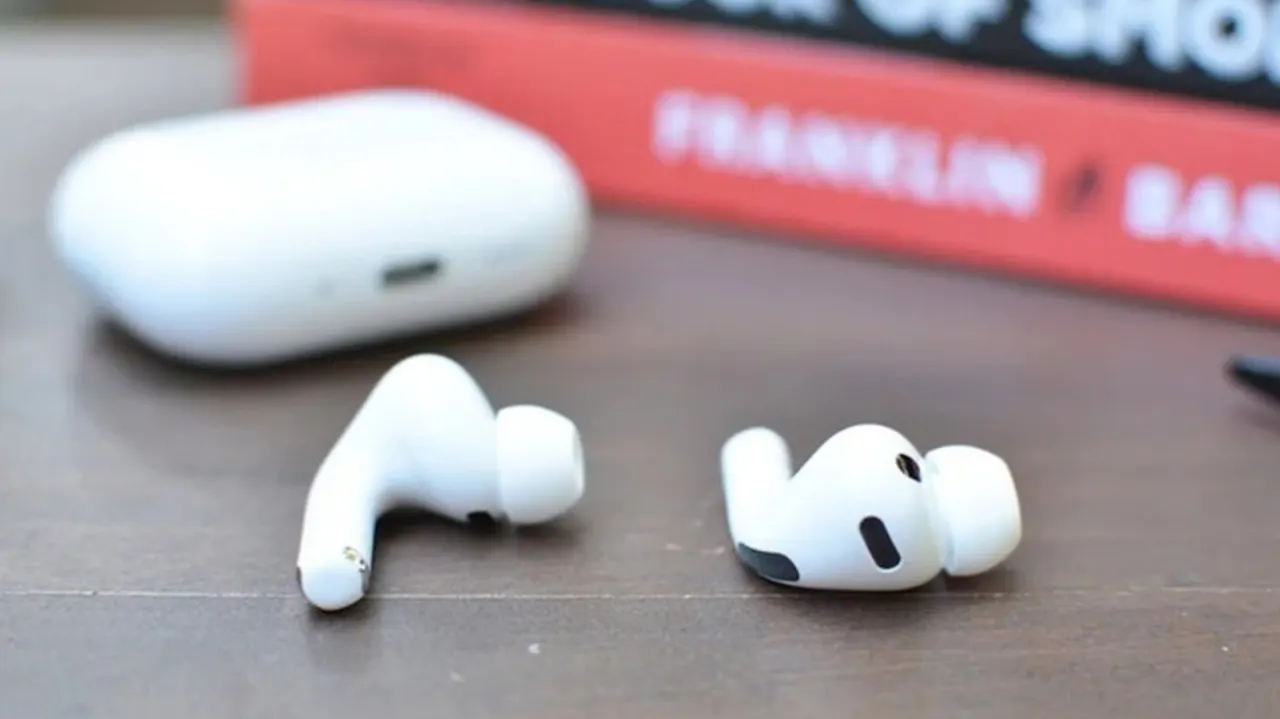
Apple appears to have inadvertently confirmed camera-equipped AirPods through a demo video embedded in the macOS Tahoe 26.7 release candidate, spotted by MacRumors and shared by X user @aaronp613. The earbuds use an onboard camera to feed low-resolution imagery to Siri, powering a new "Visual Intelligence" feature that lets wearers ask the assistant to identify or "save" objects they look at, marking a significant expansion of the AirPods beyond audio and raising fresh privacy questions given their status as a wearable surveillance device.
In the leaked clip, a man wearing the AirPods asks Siri to remember a book he is browsing, with Siri responding that "your world becomes saveable." The devices resemble current AirPods Pro but with a slightly thicker stem, and the cameras themselves remain hidden from view; Bloomberg's Mark Gurman, who first reported the feature in May, says Apple may include an indicator light to show when the cameras are active. Codenamed B790, the earbuds are expected to be unveiled at Apple's iPhone 18 event next month, ahead of a separate, more advanced camera-equipped model (B798) reportedly slated for 2027.
- Apple accidentally leaked camera AirPods in a macOS 26.7 demo video
- New "Visual Intelligence" lets Siri identify and remember viewed objects
- Codenamed B790, expected to launch at next month's iPhone 18 event
New here? Start with this
Apple's AirPods are wireless earbuds, and Siri is the voice assistant built into Apple's devices. Reports suggest Apple is developing a new version of AirPods that includes a small onboard camera, allowing Siri to see what the wearer is looking at and respond accordingly, a feature Apple calls "Visual Intelligence". This would be a major shift for AirPods, which have so far been purely audio devices.
The evidence comes from a demo video that appears to have been included accidentally in a test version of Apple's Mac software, macOS Tahoe 26.7, and spotted by the website MacRumors. It builds on earlier reporting from Bloomberg journalist Mark Gurman, who said in May that Apple was working on camera-equipped earbuds under the internal codename B790, with a further model expected in 2027.
The story matters partly because of what the product could do, letting a voice assistant recognise and "remember" objects a person looks at, and partly because of the questions this raises around privacy, since a hidden camera worn in public could record people without their knowledge. Apple has not confirmed any of this, though the earbuds are expected to be shown publicly at an Apple event next month.
Both sides, in good faith
The strongest fair case each way — we don't pick a winner.
The case for
Supporters would emphasise the practical utility and accessibility benefits—visual intelligence can assist users with visual impairments, language barriers, and learning needs. Apple's privacy-first design track record, combined with transparency measures like indicator lights, provides reasonable safeguards. They would argue that users choosing to adopt this feature exercise agency over their own technology, and that such innovative capabilities represent natural technological progress enhancing human capability.
The case against
Critics would stress that wearable cameras represent a qualitative shift toward ambient surveillance, normalising always-on recording devices in intimate, everyday contexts. Even with indicator lights, consent becomes murky—the wearer may record others unknowingly, and stored visual data creates new security vulnerabilities and misuse risks. They argue that expanding surveillance infrastructure, however convenient, sets troubling precedents for privacy erosion and ultimately serves corporate data-collection interests more than genuine user needs.